
No products in the cart.

How to Improve Workplace Safety Standards in Saudi Arabia | Saudi Supplier
Workplace safety is a fundamental responsibility for every business operating in Saudi Arabia. Whether in construction, manufacturing, logistics, oil & gas, warehousing, healthcare, or commercial sectors, maintaining high safety standards protects employees, reduces operational risks, and improves business performance.
As Saudi Arabia continues to invest heavily in infrastructure, industrial growth, and Vision 2030 initiatives, workplace safety has become more important than ever. Companies are expected to follow strict safety regulations, provide proper Personal Protective Equipment (PPE), conduct regular training, and create environments where employees can work safely and efficiently.
Improving workplace safety standards is not simply about regulatory compliance it is about building a culture that prioritizes employee well-being, productivity, and long-term business success.
At Saudi Supplier, businesses can access high-quality safety equipment, PPE, industrial tools, and workplace solutions that support safer operations across Saudi Arabia.
This guide explores practical strategies to improve workplace safety standards and create a safer work environmen.
Why Workplace Safety Matters
A safe workplace benefits both employees and employers.
Benefits include:
- Reduced workplace accidents
- Higher employee productivity
- Lower absenteeism
- Improved company reputation
- Better regulatory compliance
- Reduced insurance and compensation costs
Organizations with strong safety cultures often experience better operational efficiency and employee satisfaction.
1. Establish a Strong Safety Culture
Workplace safety starts with company culture.
Employees should understand that safety is everyone’s responsibility, from senior management to frontline workers.
Ways to build a safety culture:
- Leadership commitment
- Employee involvement
- Open communication
- Regular safety meetings
- Hazard reporting systems
When safety becomes part of daily operations, accident rates typically decrease.
2. Conduct Regular Risk Assessments
Risk assessments help identify workplace hazards before accidents occur.
Common workplace hazards:
- Slips, trips, and falls
- Electrical hazards
- Fire risks
- Machinery accidents
- Chemical exposure
- Falling objects
Benefits of risk assessments:
- Early hazard identification
- Improved prevention measures
- Better compliance with regulations
Businesses should review workplace risks regularly, especially when introducing new equipment or processes.
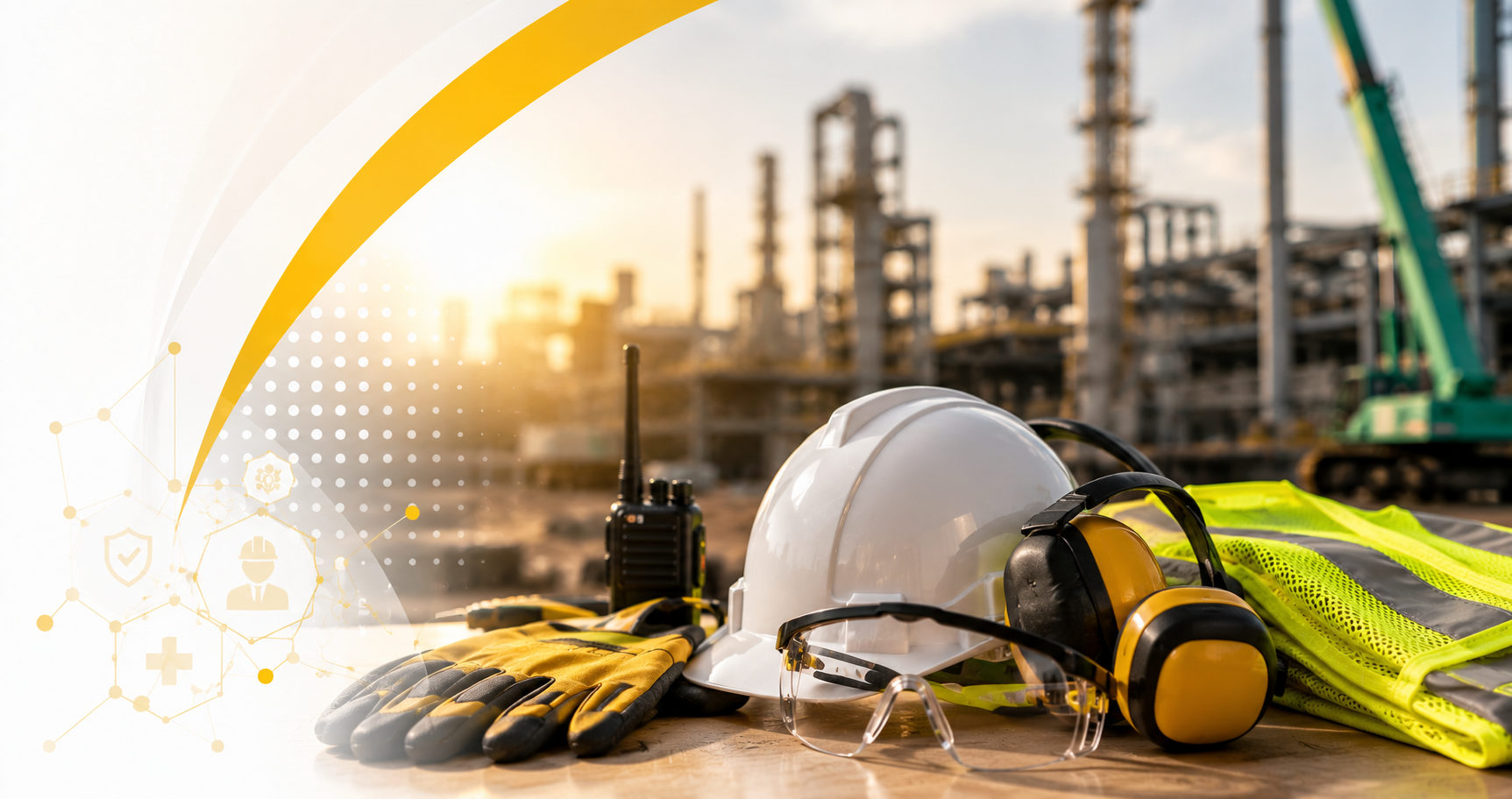
3. Provide Proper Personal Protective Equipment (PPE)
Personal Protective Equipment remains one of the most effective ways to protect workers.
Essential PPE Includes:
Safety Helmets
Protect workers from head injuries.
Safety Gloves
Reduce risks from cuts, burns, and chemical exposure.
Safety Shoes
Protect against slips, impacts, and punctures.
Protective Eyewear
Prevents eye injuries from dust, debris, and chemicals.
Reflective Clothing
Improves worker visibility in busy environments.
👉 PPE collection:
https://saudisupplier.com/product-category/ppe/
Providing quality PPE helps reduce workplace injuries significantly.
4. Invest in Employee Safety Training
Safety equipment is only effective when employees know how to use it correctly.
Training programs should cover:
- PPE usage
- Emergency response
- Fire safety
- Hazard recognition
- Equipment operation
Benefits:
- Improved awareness
- Reduced accidents
- Increased confidence
Regular refresher training ensures employees stay informed about evolving workplace risks.
5. Improve Fire Safety Preparedness
Fire incidents can cause severe injuries, property damage, and operational disruption.
Essential fire safety measures include:
- Fire extinguishers
- Smoke detectors
- Fire alarms
- Emergency exits
- Evacuation plans
👉 Explore safety equipment:
https://saudisupplier.com/product-category/safety-equipment/
Businesses should conduct routine fire drills to ensure employees know how to respond during emergencies.
6. Maintain Equipment and Machinery Properly
Poorly maintained equipment is a leading cause of workplace accidents.
Maintenance should include:
- Routine inspections
- Lubrication schedules
- Component replacement
- Safety system testing
Benefits:
- Improved reliability
- Reduced downtime
- Enhanced safety
Preventive maintenance helps identify issues before they become serious hazards.
7. Encourage Hazard Reporting
Employees are often the first to notice workplace hazards.
Encourage reporting of:
- Unsafe conditions
- Damaged equipment
- Near-miss incidents
- Safety concerns
Benefits:
- Faster corrective action
- Improved safety awareness
- Reduced accident risks
Businesses should create simple and accessible reporting systems.
8. Improve Workplace Housekeeping
A clean workplace is a safer workplace.
Common housekeeping improvements:
- Remove clutter
- Keep walkways clear
- Organize storage areas
- Clean spills immediately
Benefits:
- Fewer slip and trip hazards
- Better efficiency
- Improved morale
Good housekeeping supports overall workplace safety standards.
9. Strengthen Electrical Safety
Electrical hazards are common in industrial and commercial environments.
Electrical safety practices:
- Inspect cables regularly
- Use certified electrical equipment
- Avoid overloaded circuits
- Train employees on electrical hazards
Benefits:
- Reduced fire risks
- Improved equipment reliability
- Better worker protection
Electrical safety should be part of every workplace safety program.
10. Promote Employee Wellness and Fatigue Management
Fatigue can significantly increase workplace accidents.
Common causes:
- Long shifts
- Insufficient rest
- Excessive overtime
Solutions:
- Schedule adequate breaks
- Encourage hydration
- Monitor workloads
- Promote healthy work habits
Healthy employees are more alert, productive, and safety- conscious.
11. Implement Emergency Response Plans
Every workplace should have clear emergency procedures.
Plans should address:
- Fire emergencies
- Medical incidents
- Chemical spills
- Equipment failures
- Natural disasters
Benefits:
- Faster response times
- Reduced panic
- Better employee protection
Emergency preparedness improves overall workplace resilience.
12. Use High-Quality Safety Equipment
The quality of safety equipment directly impacts workplace protection.
Look for:
- Certified products
- Durable materials
- Industry compliance
- Reliable suppliers
High-quality equipment offers better performance and longer service life.
13. Perform Safety Audits Regularly
Safety audits help evaluate the effectiveness of workplace safety programs.
Audits should review:
- PPE compliance
- Training records
- Equipment condition
- Emergency preparedness
Benefits:
- Continuous improvement
- Regulatory compliance
- Better risk management
Regular audits help organizations maintain high safety standards.
14. Partner with Trusted Safety Suppliers
Choosing the right supplier helps businesses maintain consistent safety standards.
A trusted supplier provides:
- Certified PPE
- Industrial safety products
- Technical support
- Reliable product availability
👉 Visit: https://saudisupplier.com/
Saudi Supplier supports businesses throughout Saudi Arabia with quality workplace safety solutions, PPE, tools, and industrial equipment.
- Safety Equipment: https://saudisupplier.com/product-category/safety-equipment/
- PPE: https://saudisupplier.com/product-category/ppe/
- Tools: https://saudisupplier.com/product-category/tools/
- Construction Materials: https://saudisupplier.com/product-category/construction-materials/
Conclusion
Improving workplace safety standards in Saudi Arabia requires a proactive approach that combines training, high-quality safety equipment, risk management, and employee engagement. Businesses that prioritize safety not only protect their workforce but also improve productivity, compliance, and operational efficiency.
From PPE and fire protection to equipment maintenance and emergency preparedness, every aspect of workplace safety contributes to a stronger and more resilient organization.
By investing in certified safety solutions and partnering with trusted suppliers like Saudi Supplier, businesses can create safer work environments that support long-term success and sustainable growth.
Contact Information
📞 Phone: +966565118011
📧 Email: info@saudisupplier.com
🌐 Follow Us:
FAQs
1. Why is workplace safety important in Saudi Arabia?
Workplace safety protects employees, reduces accidents, improves productivity, and ensures compliance with regulations.
2. What PPE is essential for industrial workplaces?
Safety helmets, gloves, footwear, protective eyewear, and reflective clothing are among the most common PPE items.
3. How often should safety training be conducted?
Businesses should provide regular training and refresher sessions whenever workplace conditions or equipment change.
4. What are the benefits of workplace safety audits?
Safety audits help identify risks, improve compliance, and strengthen overall safety performance.
5. Where can businesses buy workplace safety equipment in Saudi Arabia?
Businesses can find PPE, safety equipment, tools, and industrial products through Saudi Supplier.
