
No products in the cart.
Choosing the Right Electrical Cables for Industrial Projects | Saudi Supplier
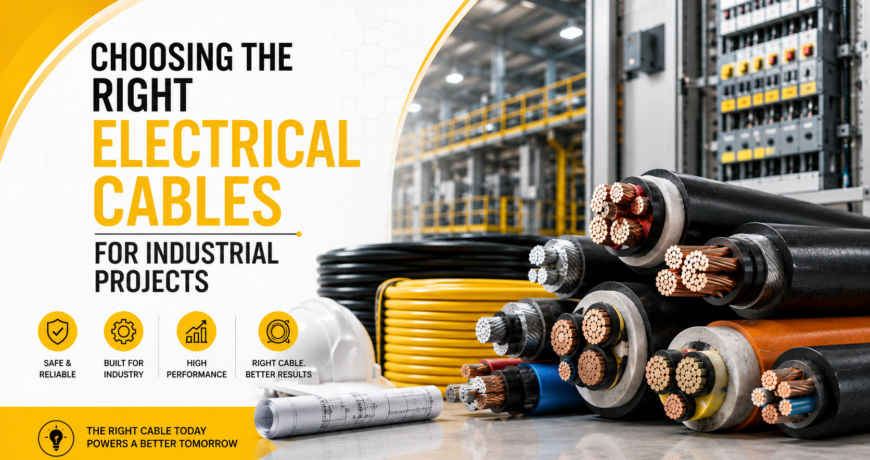
Electrical cables are the backbone of every industrial project. Whether powering manufacturing facilities, construction sites, warehouses, commercial buildings, or large-scale infrastructure developments, the correct cable selection directly impacts safety, efficiency, performance, and long-term reliability.
Choosing the wrong electrical cable can result in power failures, equipment damage, fire hazards, increased maintenance costs, and regulatory compliance issues. For industrial environments where electrical systems operate under demanding conditions, selecting the right cable is critical. (electrical cables)
Modern industrial projects require cables capable of handling heavy electrical loads, harsh environmental conditions, and continuous operation. Understanding cable types, insulation materials, voltage requirements, and installation conditions helps businesses make informed decisions.
At Saudi Supplier, businesses can access high-quality industrial supplies, safety equipment, and construction solutions designed to support commercial and industrial projects throughout Saudi Arabia.
This comprehensive guide explains everything businesses need to know about choosing the right electrical cables for industrial projects.
Why Cable Selection Matters
Electrical systems are only as reliable as the cables used within them.
Poor cable selection can cause:
- Power interruptions
- Equipment failure
- Electrical fires
- Voltage drops
- Increased maintenance costs
- Workplace safety risks
Proper cable selection provides:
- Reliable power distribution
- Improved safety
- Higher operational efficiency
- Longer system lifespan
- Regulatory compliance
Industrial projects often operate around the clock, making dependable electrical infrastructure essential.
1. Understand Your Project Requirements
Before selecting electrical cables, businesses should evaluate project needs carefully.
Important considerations:
- Power requirements
- Operating voltage
- Environmental conditions
- Installation method
- Cable route length
- Future expansion plans
Each industrial project has unique requirements that influence cable selection.
For example:
Manufacturing Facilities
Require cables capable of handling heavy machinery and continuous loads.
Construction Sites
Need durable cables that can withstand outdoor conditions and physical stress.
Warehouses
Require reliable power distribution for lighting, automation systems, and equipment.
Planning ahead prevents costly modifications later.
2. Know the Different Types of Electrical Cables
Understanding cable types helps businesses choose suitable solutions.
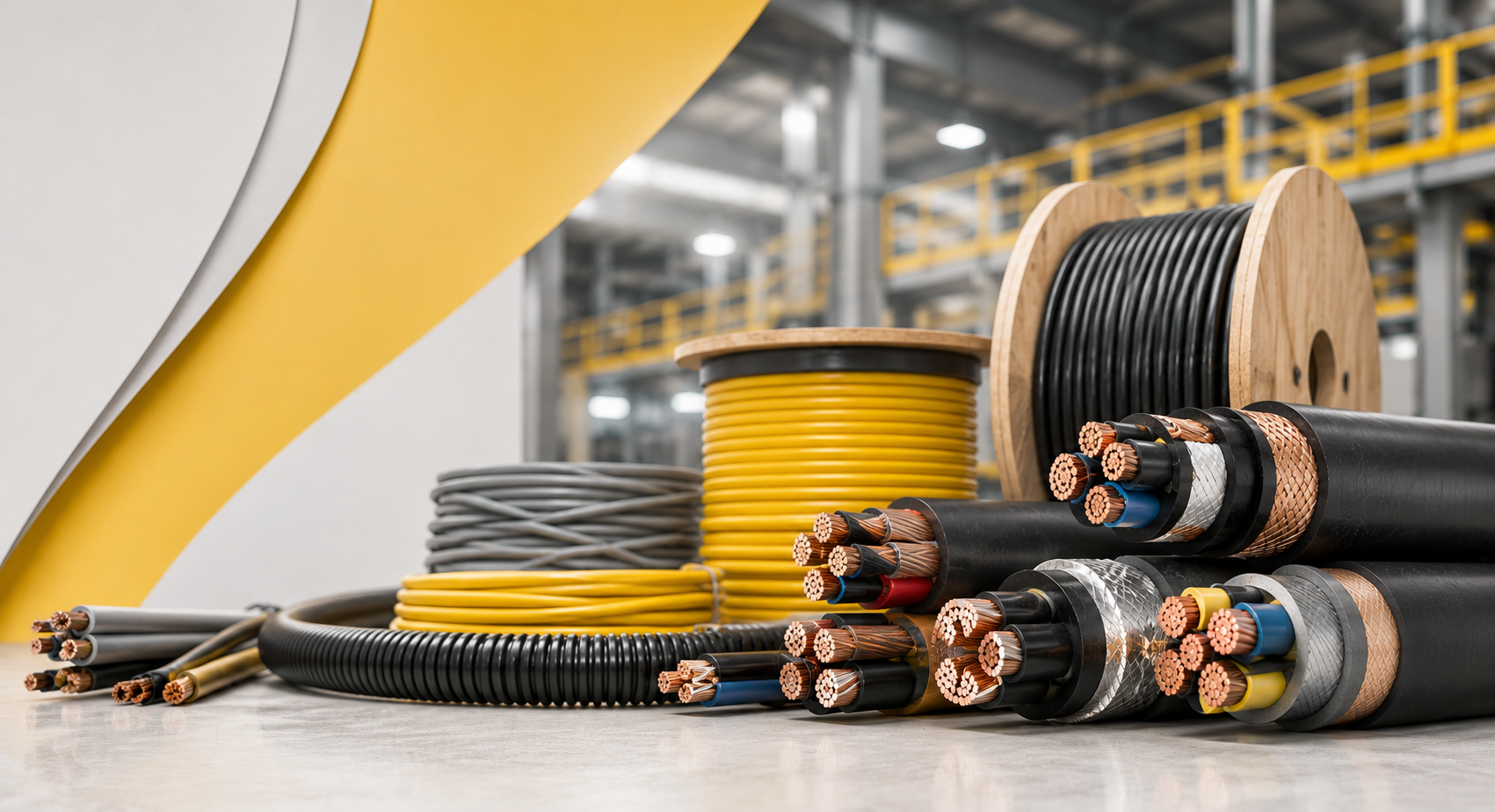
Power Cables
Used for transmitting electrical energy.
Common applications:
- Industrial machinery
- Commercial buildings
- Power distribution systems
Benefits:
- High durability
- Reliable performance
- Suitable for heavy loads
Control Cable
Control cables transmit signals between equipment and control systems.
Used in:
- Automation systems
- Manufacturing facilities
- Process control operations
Advantages:
- Reliable communication
- Improved system control
Instrumentation Cables
Designed for transmitting sensitive signals.
Applications:
- Industrial monitoring systems
- Process automation
- Measurement equipment
Benefits:
- Signal accuracy
- Reduced interference
3. Choose the Correct Voltage Rating
Every electrical cable is designed for a specific voltage range.
Low Voltage Cables
Typically used in:
- Commercial buildings
- Small industrial applications
Medium Voltage Cables
Suitable for:
- Large industrial facilities
- Distribution networks
High Voltage Cables
Used for:
- Utility systems
- Large-scale infrastructure projects
Choosing an incorrect voltage rating can lead to safety risks and equipment damage.
4. Consider Current Carrying Capacity
Current carrying capacity, or ampacity, is one of the most important factors when selecting cables.
Factors affecting ampacity:
- Conductor size
- Insulation material
- Ambient temperature
- Installation conditions
Benefits of proper sizing:
- Prevents overheating
- Improves energy efficiency
- Extends cable lifespan
Undersized cables can create serious fire hazards.
5. Select the Right Conductor Material
The conductor is the core component responsible for carrying electrical current.
Copper Conductors
Advantages:
- Excellent conductivity
- High durability
- Superior performance
Common applications:
- Industrial facilities
- Commercial projects
- Critical infrastructure
Aluminum Conductors
Benefits:
- Lower cost
- Lightweight design
Suitable for:
- Large-scale power distribution
Copper remains the preferred option for many industrial projects due to its reliability.
6. Evaluate Insulation Materials
Cable insulation protects conductors from environmental conditions and electrical faults.
Common insulation types include:
PVC (Polyvinyl Chloride)
Advantages:
- Cost-effective
- Flexible
- Moisture resistant
XLPE (Cross-Linked Polyethylene)
Benefits:
- Higher temperature resistance
- Improved durability
- Longer lifespan
Rubber Insulation
Suitable for:
- Flexible industrial applications
- Harsh environments
Choosing the right insulation improves both safety and performance.
7. Consider Environmental Conditions
Industrial environments often expose cables to challenging conditions.
Factors to evaluate:
- High temperatures
- Moisture
- Chemicals
- UV exposure
- Mechanical stress
Outdoor Projects
Require weather-resistant cables.
Chemical Plants
Require cables resistant to corrosive substances.
Construction Sites
Need heavy-duty cables capable of handling rough conditions.
Selecting cables designed for the environment prevents premature failure.
8. Fire Resistance and Safety Requirements
Fire safety is a major concern in industrial projects.
Fire-resistant cables help:
- Prevent fire spread
- Protect critical systems
- Improve emergency response
Common applications:
- Hospitals
- Industrial facilities
- Commercial buildings
Businesses should always prioritize fire safety when selecting electrical components.
👉 Explore safety equipment:
https://saudisupplier.com/product-category/safety-equipment/
9. Cable Installation Methods
Installation conditions influence cable performance.
Common installation methods:
Underground Installation
Requires moisture-resistant and durable cables.
Cable Trays
Common in industrial facilities.
Conduit Systems
Provide additional protection.
Proper installation helps:
- Extend cable lifespan
- Reduce maintenance requirements
- Improve system reliability
10. Compliance with Industry Standards
Industrial projects should always use certified cables that meet recognized standards.
Benefits:
- Improved safety
- Regulatory compliance
- Better quality assurance
Certified products reduce liability risks and improve long-term reliability.
11. Energy Efficiency Considerations
Energy efficiency has become increasingly important for industrial operations.
Benefits of efficient cables:
- Lower power losses
- Reduced operating costs
- Improved sustainability
Modern cable systems contribute significantly to energy-saving initiatives.
12. Maintenance and Inspection
Regular inspection helps maintain electrical system performance.
Check for:
- Physical damage
- Insulation wear
- Loose connections
- Overheating signs
Advantages:
- Prevents failures
- Improves safety
- Extends service life
Preventive maintenance reduces unexpected downtime.
13. Importance of PPE During Electrical Work
Electrical projects require appropriate Personal Protective Equipment (PPE).
Essential PPE includes:
- Safety helmets
- Insulated gloves
- Protective eyewear
- Safety footwear
👉 PPE collection:
https://saudisupplier.com/product-category/ppe/
Using proper PPE significantly reduces workplace injury risks during installation and maintenance.
14. Choosing a Reliable Supplier
Selecting the right supplier is as important as selecting the right cable.
A trusted supplier provides:
- Quality products
- Technical support
- Reliable delivery
- Competitive pricing
👉 Visit:
https://saudisupplier.com/
Saudi Supplier supports industrial and commercial projects across Saudi Arabia with high-quality products and workplace safety solutions.
- Safety Equipment: https://saudisupplier.com/product-category/safety-equipment/
- PPE: https://saudisupplier.com/product-category/ppe/
- Tools: https://saudisupplier.com/product-category/tools/
- Construction Materials: https://saudisupplier.com/product-category/construction-materials/
Conclusion
Choosing the right electrical cables for industrial projects is essential for ensuring safety, reliability, efficiency, and long-term performance. Factors such as voltage requirements, conductor materials, insulation types, environmental conditions, and compliance standards all play a critical role in cable selection.
Businesses that invest in high-quality cables reduce maintenance costs, improve workplace safety, and enhance operational efficiency. Proper planning, installation, and maintenance further contribute to a dependable electrical infrastructure.
By partnering with trusted suppliers like Saudi Supplier, companies can access reliable products and solutions tailored to the demanding requirements of industrial and commercial projects throughout Saudi Arabia. (Electrical cables)
Contact Information
📞 Phone: +966565118011
📧 Email: info@saudisupplier.com
🌐 Follow Us:
FAQs
1. Why is choosing the correct electrical cable important for industrial projects?
The right cable improves safety, prevents power loss, enhances equipment performance, and reduces maintenance costs.
2. Which conductor material is better, copper or aluminum?
Copper offers better conductivity and durability, while aluminum is lighter and more cost-effective for certain applications.
3. What insulation type is best for industrial cables?
XLPE insulation is commonly preferred because of its durability, heat resistance, and long lifespan.
4. How do environmental conditions affect cable selection?
Factors such as heat, moisture, chemicals, and UV exposure determine the type of insulation and protection required.
5. Where can businesses source industrial products and safety equipment in Saudi Arabia?
Businesses can find quality industrial supplies, PPE, tools, and safety equipment through Saudi Supplier.
