
No products in the cart.
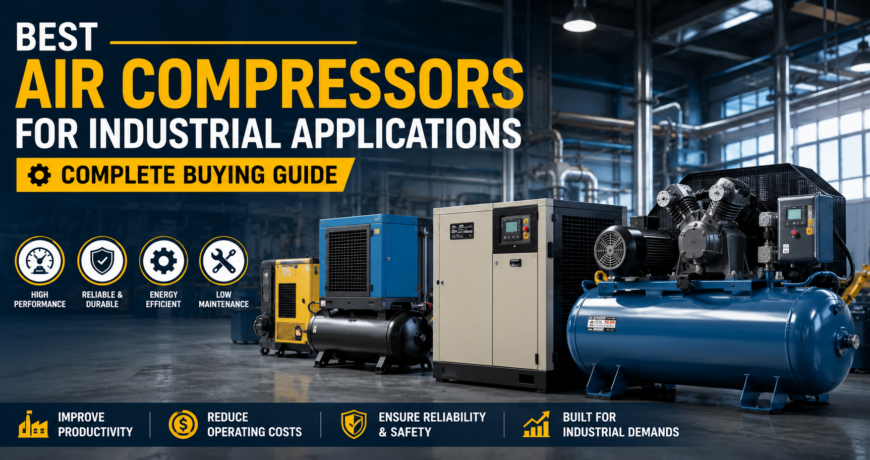
Best Air Compressors for Industrial Applications | Complete Buying Guide
Compressed air is often referred to as the “fourth utility” in industrial operations, alongside electricity, water, and natural gas. From manufacturing facilities and construction sites to warehouses and automotive workshops, air compressors power a wide range of tools, equipment, and production processes. Choosing the right air compressor is essential for maximizing efficiency, reducing operational costs, and ensuring uninterrupted industrial performance.
With Saudi Arabia’s expanding industrial, construction, and logistics sectors, businesses increasingly rely on high-performance air compressor systems to support daily operations. However, selecting the best air compressor for industrial applications requires careful consideration of factors such as airflow requirements, operating environment, energy efficiency, and long-term maintenance needs.
This guide explores the best air compressors for industrial applications, their types, key selection criteria, and best practices to help businesses make informed purchasing decisions.
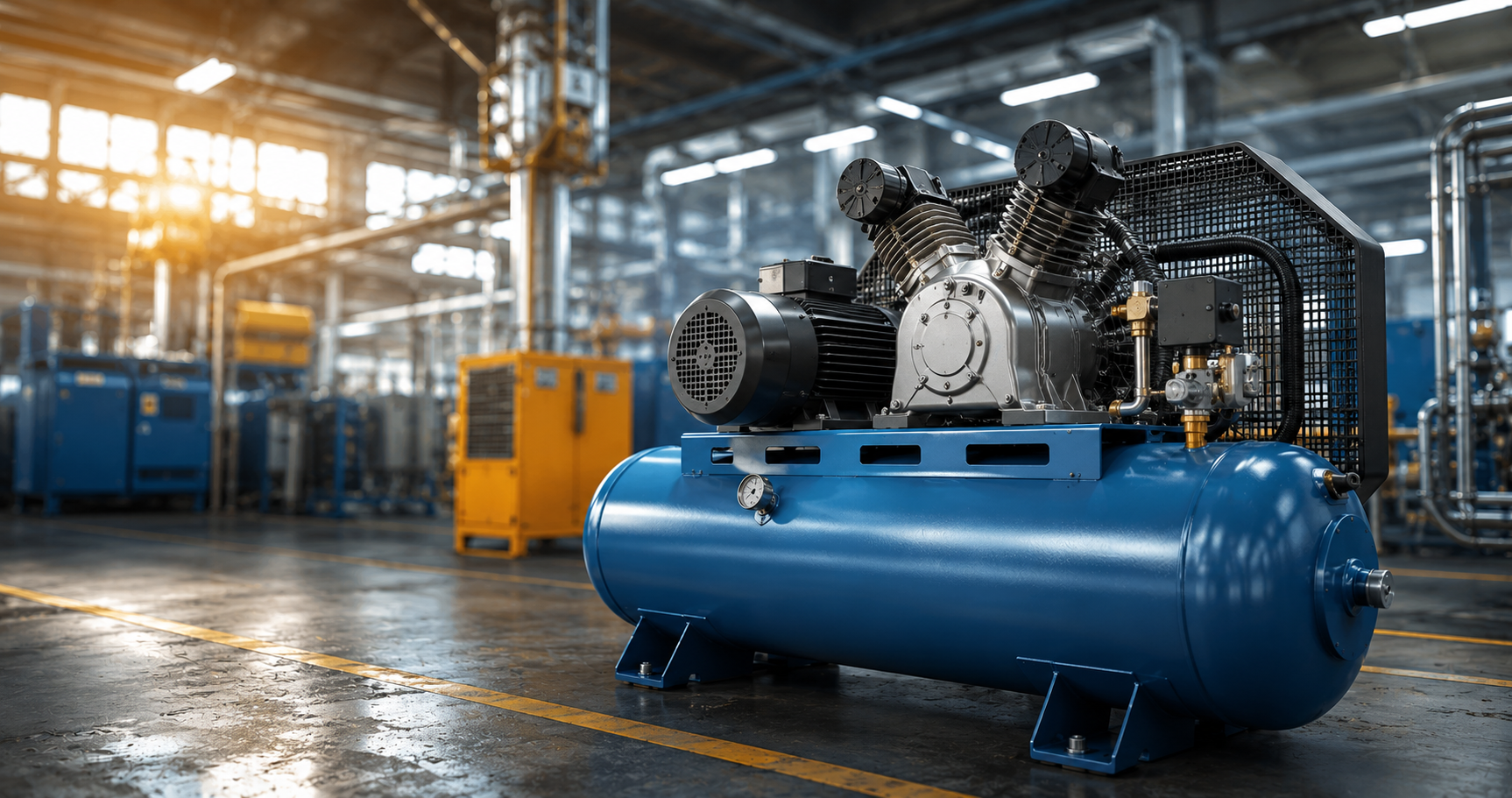
Why Air Compressors Are Essential in Industrial Operations
Industrial air compressors convert power into compressed air, which is then used to operate machinery, pneumatic tools, and automated systems.
Common industrial applications include:
- Manufacturing processes
- Construction activities
- Pneumatic tool operation
- Material handling systems
- Painting and coating applications
- Packaging operations
- Automotive workshops
- Food and beverage processing
- HVAC systems
- Industrial automation
Reliable compressed air systems improve productivity while reducing manual labor requirements.
Organizations can support industrial operations with quality equipment available through:
- https://saudisupplier.com/
- https://saudisupplier.com/product-category/tools/
- https://saudisupplier.com/product-category/construction-materials/
Types of Industrial Air Compressors
Understanding the various compressor types is essential when selecting equipment for industrial environments.
Reciprocating (Piston) Air Compressors
Reciprocating compressors use pistons driven by a crankshaft to compress air.
Advantages
- Lower initial investment
- Suitable for intermittent use
- Simple maintenance
- Widely available
Best Applications
- Small workshops
- Construction sites
- Maintenance departments
- Automotive service facilities
These compressors are ideal for applications with moderate air demand.
Rotary Screw Air Compressors
Rotary screw compressors are among the most popular choices for industrial applications.
They use two interlocking screws to compress air continuously.
Benefits
- Continuous operation capability
- High energy efficiency
- Low noise levels
- Reliable performance
- Reduced maintenance requirements
Ideal Industries
- Manufacturing facilities
- Warehouses
- Industrial production plants
- Large construction projects
For businesses requiring uninterrupted compressed air, rotary screw compressors are often the preferred option.
Centrifugal Air Compressors
Centrifugal compressors use high-speed rotating impellers to generate compressed air.
Key Advantages
- Extremely high airflow capacity
- Oil-free operation options
- Excellent efficiency at large scale
- Minimal vibration
Common Uses
- Petrochemical facilities
- Large manufacturing plants
- Power generation facilities
- Industrial processing operations
These compressors are best suited for facilities with substantial air consumption requirements.
Oil-Free Air Compressors
Certain industries require contaminant-free compressed air.
Oil-free compressors eliminate the risk of oil contamination.
Typical Applications
- Food processing
- Pharmaceutical manufacturing
- Electronics production
- Medical facilities
Clean compressed air is essential where product purity is critical.
Key Factors to Consider When Choosing an Industrial Air Compressor
Selecting the right compressor involves more than choosing a popular model.
Airflow Requirements (CFM)
Compressed air demand is usually measured in Cubic Feet per Minute (CFM).
Businesses should evaluate:
- Number of connected tools
- Simultaneous equipment operation
- Future expansion requirements
Undersized compressors often lead to productivity losses and excessive wear.
Operating Pressure (PSI)
Pressure requirements vary depending on applications.
Typical industrial tools require:
- Low-pressure systems for light-duty operations
- Higher pressure systems for heavy industrial applications
Always verify equipment pressure requirements before purchasing a compressor.
Duty Cycle Requirements
The duty cycle indicates how long a compressor can operate within a specific period.
Intermittent Duty Applications
Suitable for:
- Maintenance work
- Repair shops
- Small construction projects
Continuous Duty Applications
Required for:
- Production facilities
- Automated manufacturing lines
- Large industrial plants
Rotary screw compressors typically perform best under continuous operating conditions.
Comparison of Common Industrial Air Compressors
| Compressor Type | Best For | Key Advantage | Typical Usage |
|---|---|---|---|
| Reciprocating | Small operations | Lower cost | Intermittent |
| Rotary Screw | Manufacturing | Continuous operation | Heavy-duty |
| Centrifugal | Large facilities | High airflow capacity | Continuous |
| Oil-Free | Sensitive industries | Contaminant-free air | Specialized |
Choosing the appropriate compressor depends on operational requirements rather than price alone.
Energy Efficiency Considerations
Energy consumption represents a significant portion of compressor operating costs.
Why Energy Efficiency Matters
Efficient compressors help businesses:
- Reduce electricity expenses
- Lower carbon emissions
- Improve profitability
- Support sustainability initiatives
In many industrial facilities, compressed air systems account for a substantial percentage of total energy consumption.
Features That Improve Efficiency
Look for compressors equipped with:
- Variable speed drives (VSD)
- Energy-efficient motors
- Smart control systems
- Heat recovery capabilities
Advanced technologies often provide significant long-term savings.
Environmental Conditions in Saudi Arabia
Saudi Arabia’s industrial environments present unique operating challenges.
High Ambient Temperatures
Extreme temperatures can affect compressor performance.
Businesses should choose equipment designed for:
- High-temperature operation
- Efficient cooling
- Dust resistance
Proper ventilation is essential for maintaining optimal performance.
Dust and Sand Exposure
Dust accumulation can reduce efficiency and increase maintenance requirements.
Recommended practices include:
- Installing intake filtration systems
- Performing regular cleaning
- Inspecting filters frequently
Protecting equipment from harsh environmental conditions extends service life.
Importance of Air Quality
Compressed air quality directly impacts equipment performance and product quality.
Air Treatment Components
A complete compressed air system often includes:
- Air dryers
- Filters
- Moisture separators
- Receivers
- Condensate management systems
These components help maintain clean, dry compressed air.
Benefits of Proper Air Treatment
Proper air treatment:
- Prevents corrosion
- Improves equipment lifespan
- Enhances product quality
- Reduces maintenance costs
Ignoring air quality can result in expensive system failures.
Workplace Safety and Air Compressor Operations
Compressed air systems must be operated safely.
Common Air Compressor Hazards
Potential risks include:
- Excessive noise
- High-pressure injuries
- Equipment failures
- Hose ruptures
- Electrical hazards
Organizations should implement comprehensive safety programs to minimize risks.
Essential Personal Protective Equipment (PPE)
Workers operating compressors may require:
- Safety glasses
- Hearing protection
- Safety gloves
- Protective footwear
Companies can source workplace safety products through:
- https://saudisupplier.com/product-category/safety-equipment/
- https://saudisupplier.com/product-category/ppe/
Combining proper PPE with safe operating procedures improves workplace safety.
Maintenance Best Practices for Industrial Air Compressors
Routine maintenance is essential for maximizing compressor performance and reliability.
Daily Maintenance Checklist
Operators should inspect:
- Oil levels
- Air filters
- Hose connections
- Pressure readings
- Cooling systems
Early identification of problems prevents unexpected downtime.
Preventive Maintenance Recommendations
Implement a maintenance schedule that includes:
- Filter replacement
- Lubrication checks
- Belt inspections
- Leak detection
- Cooling system cleaning
- Safety valve testing
Preventive maintenance reduces long-term operating costs and extends equipment life.
Signs It Is Time to Replace an Air Compressor
Consider replacing equipment if you notice:
- Frequent breakdowns
- Rising maintenance costs
- Excessive energy consumption
- Reduced air output
- Persistent leaks
- Inadequate performance
Upgrading to modern compressor technology often improves operational efficiency significantly.
Supporting Industrial Efficiency with Quality Equipment
Air compressors are only one component of an efficient industrial operation. Organizations also require dependable tools, construction materials, and workplace safety products.
Saudi Supplier supports industrial businesses, contractors, warehouses, and manufacturing facilities across Saudi Arabia with a broad range of industrial products.
Explore available categories:
- https://saudisupplier.com/
- https://saudisupplier.com/product-category/tools/
- https://saudisupplier.com/product-category/construction-materials/
- https://saudisupplier.com/product-category/safety-equipment/
- https://saudisupplier.com/product-category/ppe/
Choosing the right industrial equipment helps businesses improve productivity, maintain safety, and support long-term operational success.
Frequently Asked Questions (FAQs)
1. What is the best air compressor for industrial applications?
Rotary screw air compressors are often considered the best choice for industrial facilities because they provide continuous operation, high efficiency, and reliable performance.
2. What is the difference between reciprocating and rotary screw compressors?
Reciprocating compressors are typically suitable for intermittent use, while rotary screw compressors are designed for continuous industrial operation.
3. Why is compressed air quality important?
Clean, dry compressed air improves equipment performance, reduces maintenance costs, and protects products from contamination.
4. How often should industrial air compressors be maintained?
Maintenance frequency depends on operating conditions and manufacturer recommendations. Daily inspections and scheduled preventive maintenance are strongly recommended.
5. Are oil-free compressors necessary for all industries?
No. Oil-free compressors are primarily required in industries where air purity is critical, such as food processing, pharmaceuticals, and electronics manufacturing.
6. How can businesses improve air compressor efficiency?
Organizations can improve efficiency by selecting properly sized equipment, maintaining systems regularly, fixing air leaks, and investing in energy-efficient technologies.
Contact Saudi Supplier
Phone: +966565118011
Email: info@saudisupplier.com
Website: https://saudisupplier.com/
