
No products in the cart.
How to Reduce Workplace Accidents with Proper Equipment | Safety Guide
Workplace safety is a top priority for every business, especially in industries such as construction, manufacturing, warehousing, logistics, oil and gas, and industrial operations. Despite advancements in technology and safety regulations, workplace accidents continue to cause injuries, operational disruptions, financial losses, and reduced productivity.
One of the most effective ways to minimize these risks is by providing workers with the proper equipment. From personal protective equipment (PPE) to well-maintained machinery and specialized safety tools, the right equipment plays a critical role in preventing accidents before they occur.
As Saudi Arabia continues to invest in industrial growth and infrastructure development under Vision 2030, companies must adopt proactive safety measures to protect employees, maintain compliance, and improve operational efficiency.
This guide explains how proper equipment helps reduce workplace accidents and outlines best practices for creating a safer work environment.
Why Workplace Safety Equipment Matters
Every workplace contains potential hazards. These hazards may include falling objects, moving machinery, electrical systems, hazardous chemicals, slippery surfaces, and working at heights.
Using the correct safety equipment helps businesses:
- Reduce workplace injuries
- Protect employees from occupational hazards
- Improve productivity
- Minimize downtime
- Lower compensation and insurance costs
- Enhance employee confidence
- Maintain compliance with workplace safety regulations
Providing quality equipment is not just a legal responsibility it is a long-term investment in business success.
Companies can explore industrial safety solutions through:
- https://saudisupplier.com/
- https://saudisupplier.com/product-category/safety-equipment/
- https://saudisupplier.com/product-category/ppe/
Common Causes of Workplace Accidents
Understanding accident causes helps organizations select appropriate safety equipment.
Frequent Workplace Hazards
| Hazard | Possible Consequences |
|---|---|
| Slips, Trips, and Falls | Fractures, sprains, head injuries |
| Falling Objects | Head injuries and crush injuries |
| Machinery Accidents | Cuts, amputations, severe injuries |
| Electrical Hazards | Burns and electric shock |
| Chemical Exposure | Respiratory and skin injuries |
| Manual Handling | Muscle strains and back injuries |
| Poor Visibility | Collisions and operational errors |
| Inadequate PPE | Increased injury severity |
Proper equipment addresses many of these hazards before they result in accidents.
Personal Protective Equipment (PPE): The First Line of Defense
Personal protective equipment is essential in almost every industrial environment.
Common Types of PPE
Depending on workplace hazards, employees may require:
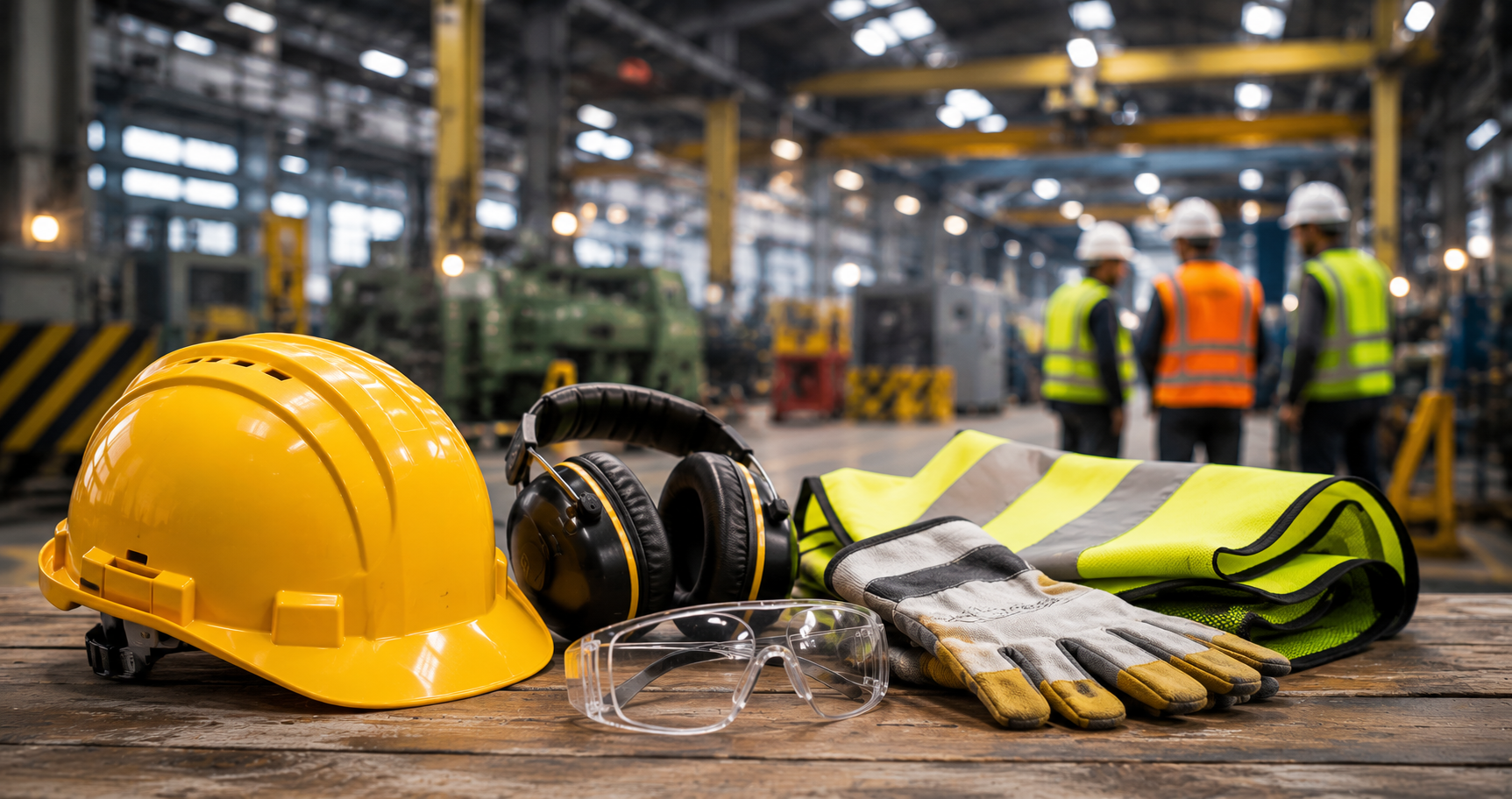
- Safety helmets
- Safety glasses
- Face shields
- High-visibility clothing
- Protective gloves
- Hearing protection
- Respiratory protection
- Steel-toe safety footwear
- Safety harnesses
Each item provides protection against specific workplace risks.
Businesses can source a wide range of PPE through:
https://saudisupplier.com/product-category/ppe/
Selecting equipment that matches workplace hazards is critical for effective protection.
Invest in High-Quality Safety Equipment
Not all safety equipment offers the same level of protection.
Choosing high-quality products provides several advantages:
- Greater durability
- Better comfort
- Improved worker compliance
- Higher reliability
- Longer service life
Low-quality equipment may fail during critical situations, putting workers at unnecessary risk.
Reliable industrial safety products can be found at:
https://saudisupplier.com/product-category/safety-equipment/
Maintain Machinery and Equipment Regularly
Even the safest equipment can become hazardous without proper maintenance.
Benefits of Preventive Maintenance
Routine maintenance helps:
- Prevent mechanical failures
- Reduce equipment downtime
- Improve operational efficiency
- Extend equipment lifespan
- Enhance worker safety
Maintenance programs should include:
- Scheduled inspections
- Lubrication
- Component replacement
- Calibration
- Safety testing
Well-maintained equipment performs more reliably and safely.
Use the Right Tools for the Job
Improper tool selection often contributes to workplace accidents.
Workers should always use equipment designed specifically for the task being performed.
Examples Include
- Insulated tools for electrical work
- Non-sparking tools in hazardous environments
- Ergonomic hand tools for repetitive tasks
- Heavy-duty lifting equipment for material handling
Using the correct tools reduces worker fatigue and minimizes injury risks.
Industrial tools are available through:
https://saudisupplier.com/product-category/tools/
Improve Fall Protection
Falls remain one of the leading causes of workplace injuries, particularly in construction and maintenance operations.
Essential Fall Protection Equipment
Organizations should provide:
- Full-body safety harnesses
- Anchor points
- Lanyards
- Guardrails
- Safety nets
- Ladder safety systems
Workers operating at height should receive proper training on equipment use and inspection procedures.
Combining quality equipment with effective training dramatically reduces fall-related incidents.
Enhance Visibility in the Workplace
Poor visibility contributes to numerous workplace accidents.
Improve Lighting
Proper lighting helps workers:
- Identify hazards
- Operate machinery safely
- Read warning labels
- Navigate work areas confidently
Use High-Visibility Clothing
Reflective safety apparel improves visibility around:
- Heavy equipment
- Forklifts
- Construction vehicles
- Loading zones
High-visibility PPE is particularly important during night operations and low-light conditions.
Establish Equipment Inspection Procedures
Safety equipment should be inspected before use.
Daily Inspection Checklist
Workers should inspect:
- PPE condition
- Power tools
- Ladders
- Harnesses
- Machine guards
- Electrical cables
- Hydraulic hoses
Damaged equipment should be removed from service immediately.
Routine inspections prevent equipment failures before accidents occur.
Provide Comprehensive Employee Training
Even the best equipment cannot eliminate accidents if workers do not know how to use it correctly.
Training Topics Should Include
- Proper PPE usage
- Equipment operation
- Hazard recognition
- Lockout/tagout procedures
- Emergency response
- Safe lifting techniques
- Machinery safety
Regular refresher training reinforces safe work practices.
Promote Good Housekeeping
Poor housekeeping increases workplace hazards.
Maintain organized work areas by:
- Removing debris
- Cleaning spills immediately
- Securing electrical cords
- Storing tools properly
- Keeping emergency exits clear
Clean workplaces significantly reduce slips, trips, and falls.
Encourage a Strong Safety Culture
Safety equipment is most effective when supported by a positive workplace safety culture.
Encourage Employees To
- Report hazards immediately
- Participate in safety meetings
- Follow procedures consistently
- Inspect equipment regularly
- Suggest safety improvements
Management should lead by example by prioritizing safety at every level.
Implement Risk Assessments
Before beginning any task, organizations should evaluate potential hazards.
Risk Assessment Process
- Identify hazards.
- Evaluate associated risks.
- Select appropriate equipment.
- Implement control measures.
- Review effectiveness regularly.
Risk assessments ensure workers receive equipment appropriate for their specific tasks.
Emergency Preparedness Is Essential
Despite preventive measures, emergencies can still occur.
Every workplace should maintain:
- First aid kits
- Fire extinguishers
- Emergency lighting
- Spill response equipment
- Rescue equipment
- Emergency communication systems
Prepared workplaces respond more effectively during emergencies.
Choosing Reliable Industrial Suppliers
Selecting dependable suppliers is an important part of workplace safety.
Reliable suppliers offer:
- Certified safety products
- Durable industrial equipment
- Technical support
- Product consistency
- Quality assurance
Saudi Supplier provides businesses across Saudi Arabia with a comprehensive range of industrial products designed to support safe and efficient operations.
Explore available categories:
- https://saudisupplier.com/
- https://saudisupplier.com/product-category/safety-equipment/
- https://saudisupplier.com/product-category/ppe/
- https://saudisupplier.com/product-category/tools/
- https://saudisupplier.com/product-category/construction-materials/
Partnering with trusted suppliers helps organizations build safer workplaces while improving operational performance.
Benefits of Investing in Proper Workplace Equipment
Organizations that invest in quality equipment often experience:
- Fewer workplace accidents
- Higher employee morale
- Greater operational efficiency
- Reduced maintenance costs
- Lower insurance claims
- Improved regulatory compliance
- Better business reputation
Safety investments provide measurable returns over both the short and long term.
Frequently Asked Questions (FAQs)
1. How does proper equipment reduce workplace accidents?
Proper equipment protects workers from hazards, minimizes exposure to risks, and improves overall workplace safety by reducing the likelihood of injuries and equipment failures.
2. What is the most important workplace safety equipment?
The most important equipment depends on workplace hazards, but common PPE includes hard hats, safety glasses, gloves, hearing protection, safety footwear, and fall protection systems.
3. Why is equipment inspection important?
Regular inspections help identify damage, wear, and defects before equipment fails, reducing the risk of workplace accidents.
4. How often should workplace safety equipment be replaced?
Replacement depends on manufacturer recommendations, inspection results, usage conditions, and visible signs of wear or damage.
5. Why should companies invest in high-quality PPE?
High-quality PPE offers better protection, greater durability, improved comfort, and enhanced compliance with workplace safety standards.
6. How can businesses create a safer workplace?
Businesses can improve workplace safety by providing proper equipment, conducting risk assessments, maintaining machinery, training employees, promoting good housekeeping, and encouraging a strong safety culture.
Contact Saudi Supplier
Phone: +966565118011
Email: info@saudisupplier.com
Website: https://saudisupplier.com/
