





































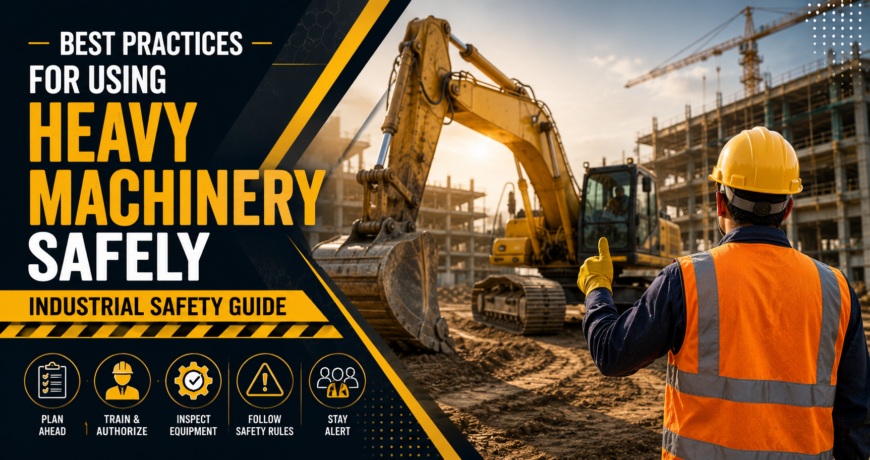
Best Practices for Using Heavy Machinery Safely | Industrial Safety Guide
Heavy machinery plays a critical role in modern construction, manufacturing, logistics, mining, infrastructure development, and industrial operations. Equipment such as excavators, bulldozers, forklifts, cranes, loaders, and compactors help businesses improve productivity, complete projects efficiently, and reduce manual labor requirements. However, operating heavy machinery also introduces significant workplace risks if proper safety measures are not followed.
According to workplace safety experts, machinery-related incidents remain one of the leading causes of serious injuries and fatalities across industrial sectors worldwide. In Saudi Arabia, where large-scale construction projects, industrial expansion, and infrastructure development continue to grow, maintaining strict heavy equipment safety practices is essential.
This guide explores the best practices for using heavy machinery safely, helping businesses, contractors, site managers, operators, and safety professionals create safer and more productive work environments.
Why Heavy Machinery Safety Matters
Heavy equipment is designed to perform demanding tasks, often involving substantial weight, power, and movement. Even a minor operational mistake can lead to severe consequences.
Common machinery-related hazards include:
- Equipment rollovers
- Struck-by accidents
- Caught-in or caught-between incidents
- Falling loads
- Electrical contact
- Mechanical failures
- Visibility-related accidents
- Improper maintenance issues
A strong machinery safety program protects workers, reduces downtime, minimizes repair costs, and supports regulatory compliance.
Companies can strengthen workplace safety programs by utilizing quality equipment and protective products available through:
- https://saudisupplier.com/
- https://saudisupplier.com/product-category/safety-equipment/
- https://saudisupplier.com/product-category/ppe/
Understanding Heavy Machinery Risks
Before implementing safety procedures, organizations should identify potential risks associated with machinery operations.
Common Risk Factors
| Risk Factor | Potential Consequence |
|---|---|
| Inadequate Training | Operator errors and accidents |
| Poor Equipment Maintenance | Mechanical failures |
| Unsafe Work Zones | Worker injuries |
| Lack of PPE | Increased injury severity |
| Poor Visibility | Collision incidents |
| Fatigue | Reduced reaction times |
| Improper Load Handling | Equipment instability |
| Adverse Weather Conditions | Loss of control |
Conducting regular risk assessments helps organizations identify and mitigate these hazards before incidents occur.
Operator Training and Certification
One of the most important safety measures is ensuring that only qualified personnel operate heavy machinery.
Importance of Proper Training
Trained operators understand:
- Equipment controls
- Load capacities
- Site-specific hazards
- Emergency procedures
- Safe operating techniques
- Maintenance requirements
Proper training significantly reduces human error, which remains one of the primary causes of workplace accidents.
Ongoing Skills Development
Training should not be a one-time event.
Employers should provide:
- Refresher courses
- Safety workshops
- Equipment-specific training
- Emergency response drills
- New technology updates
Continuous learning helps operators stay current with evolving safety standards and equipment advancements.
Conduct Pre-Operation Inspections
Before operating any heavy machinery, operators should complete a thorough inspection.
Daily Inspection Checklist
Inspect:
- Tires and tracks
- Hydraulic systems
- Fluid levels
- Brakes
- Steering systems
- Warning lights
- Safety alarms
- Seat belts
- Mirrors
- Attachments
- Electrical components
Any defects should be reported and corrected immediately before operation begins.
Benefits of Routine Inspections
Regular inspections help:
- Prevent breakdowns
- Reduce repair costs
- Improve equipment reliability
- Enhance workplace safety
- Extend machinery lifespan
Preventive maintenance is always more cost-effective than emergency repairs.
Wear Appropriate Personal Protective Equipment
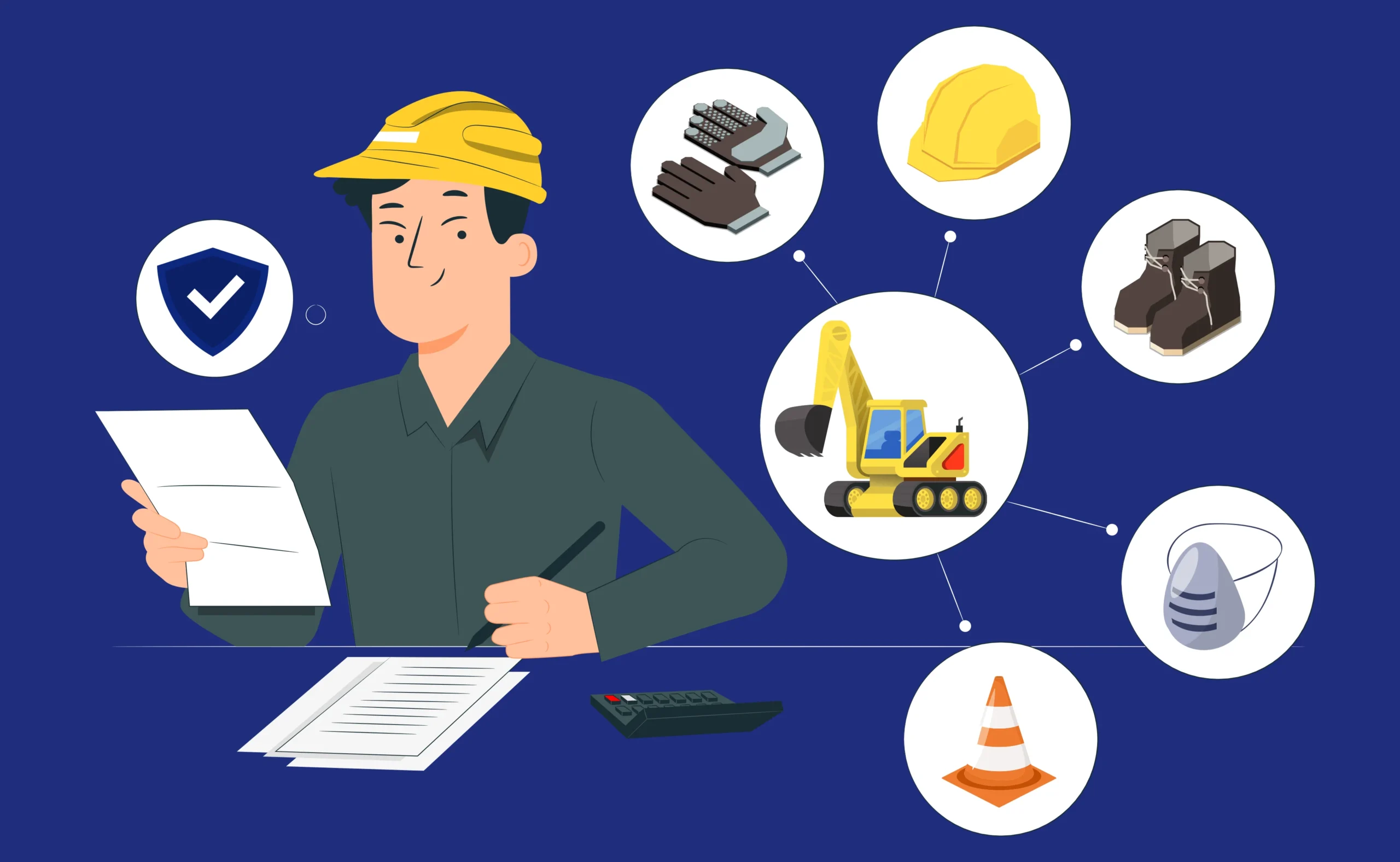
Personal protective equipment (PPE) provides an essential layer of defense against workplace hazards.
Recommended PPE for Heavy Equipment Operations
Depending on the work environment, operators may require:
- Hard hats
- Safety glasses
- High-visibility clothing
- Safety gloves
- Hearing protection
- Steel-toe safety footwear
- Respiratory protection
Businesses can source quality protective gear through:
- https://saudisupplier.com/product-category/ppe/
- https://saudisupplier.com/product-category/safety-equipment/
PPE should always complement—not replace—safe operating procedures.
Establish Clear Work Zones
Construction sites and industrial facilities often involve multiple workers, vehicles, and equipment operating simultaneously.
Create Designated Machinery Zones
Clearly mark:
- Equipment operating areas
- Pedestrian pathways
- Loading zones
- Restricted access areas
- Material storage locations
Visible signage and barriers help reduce accidental exposure to machinery hazards.
Use Spotters When Necessary
Spotters are especially valuable when:
- Operating in congested areas
- Reversing equipment
- Lifting large loads
- Working near utilities
Effective communication between operators and spotters can prevent serious incidents.
Follow Manufacturer Guidelines
Every piece of heavy machinery is designed with specific operational limits and safety requirements.
Always Review Equipment Manuals
Manufacturers provide critical information regarding:
- Safe operating procedures
- Load limits
- Maintenance schedules
- Inspection requirements
- Emergency shutdown procedures
Ignoring manufacturer recommendations can increase accident risks and void warranties.
Avoid Unauthorized Modifications
Modifying equipment without approval may:
- Compromise safety systems
- Reduce stability
- Affect performance
- Increase liability exposure
Always consult qualified technicians before making equipment changes.
Maintain Situational Awareness
Heavy equipment operators must remain alert at all times.
Watch for Surrounding Hazards
Potential hazards include:
- Nearby workers
- Other vehicles
- Power lines
- Uneven terrain
- Underground utilities
- Structural obstacles
Operators should continuously scan their surroundings and anticipate changing conditions.
Minimize Distractions
Avoid:
- Mobile phone use
- Unnecessary conversations
- Fatigue-related distractions
- Rushed decision-making
Focused operators make safer decisions and respond more effectively to unexpected situations.
Manage Loads Safely
Improper load handling contributes to many machinery accidents.
Load Safety Best Practices
Always:
- Verify load weight.
- Stay within rated capacity limits.
- Secure loads properly.
- Maintain load balance.
- Lift smoothly and steadily.
- Keep loads low during transport.
Overloading equipment can lead to rollovers, structural failures, and serious injuries.
Crane and Lifting Operations
For lifting activities:
- Inspect lifting accessories
- Verify rigging integrity
- Use certified lifting equipment
- Maintain exclusion zones
- Follow lift plans
Proper lifting procedures significantly reduce workplace risks.
Prioritize Preventive Maintenance
Maintenance plays a crucial role in machinery safety.
Establish a Maintenance Program
A comprehensive maintenance plan should include:
- Scheduled servicing
- Lubrication programs
- Component replacement schedules
- Performance testing
- Safety system verification
Maintenance records should be documented and reviewed regularly.
Signs Equipment Requires Immediate Attention
Stop operation if you notice:
- Unusual noises
- Fluid leaks
- Excessive vibration
- Brake issues
- Hydraulic failures
- Warning indicators
Addressing issues early prevents larger problems and costly downtime.
Account for Weather and Environmental Conditions
Environmental conditions can significantly impact equipment safety.
Hot Weather Operations
Saudi Arabia’s climate requires special precautions.
Operators should:
- Stay hydrated
- Monitor heat stress
- Schedule breaks
- Inspect cooling systems
- Protect equipment from overheating
Sand and Dust Conditions
Dust accumulation can affect:
- Air filters
- Visibility
- Engine performance
- Electrical systems
Regular cleaning and inspections help maintain safe operation.
Rain and Wet Conditions
When working in wet environments:
- Reduce operating speed
- Increase stopping distances
- Improve traction control
- Monitor ground stability
Weather-related hazards should always be assessed before work begins.
Develop Emergency Response Procedures
Despite preventive measures, emergencies can still occur.
Every Site Should Have an Emergency Plan
Plans should address:
- Equipment failures
- Worker injuries
- Fire incidents
- Electrical accidents
- Equipment rollovers
- Hazardous material exposure
Employees should understand emergency procedures before beginning work.
Conduct Emergency Drills
Regular drills help workers:
- Respond quickly
- Reduce panic
- Improve coordination
- Enhance overall preparedness
Prepared teams are more capable of minimizing damage during unexpected events.
Safety Culture: The Foundation of Accident Prevention
Technology and equipment alone cannot create a safe workplace.
Organizations should encourage:
- Hazard reporting
- Open communication
- Continuous improvement
- Employee involvement
- Safety accountability
When workers actively participate in safety initiatives, overall performance improves significantly.
Supporting Safe Operations with Quality Equipment
Reliable machinery, tools, and safety products contribute directly to workplace safety.
Saudi Supplier supports businesses across Saudi Arabia with industrial products and workplace solutions through:
- https://saudisupplier.com/
- https://saudisupplier.com/product-category/safety-equipment/
- https://saudisupplier.com/product-category/ppe/
- https://saudisupplier.com/product-category/tools/
- https://saudisupplier.com/product-category/construction-materials/
By combining quality equipment with proper training and safety procedures, organizations can reduce risks while improving operational efficiency.
Frequently Asked Questions (FAQs)
1. Why is heavy machinery safety important?
Heavy machinery safety helps prevent workplace injuries, equipment damage, project delays, and costly accidents while improving operational efficiency.
2. What PPE should heavy equipment operators wear?
Operators typically require hard hats, safety glasses, high-visibility clothing, gloves, hearing protection, and steel-toe safety footwear depending on workplace hazards.
3. How often should heavy machinery be inspected?
Operators should perform daily pre-operation inspections, while comprehensive maintenance should follow manufacturer-recommended schedules.
4. What is the most common cause of heavy equipment accidents?
Operator error, inadequate training, poor maintenance, and lack of situational awareness are among the most common causes of machinery-related accidents.
5. How can companies improve heavy machinery safety?
Organizations can improve safety through proper training, preventive maintenance, PPE use, clear work zones, hazard assessments, and strong safety cultures.
6. Why are spotters important during equipment operation?
Spotters help operators identify blind spots, avoid collisions, manage lifting operations, and improve overall site safety.
Contact Saudi Supplier
Phone: +966565118011
Email: info@saudisupplier.com
Website: https://saudisupplier.com/
