































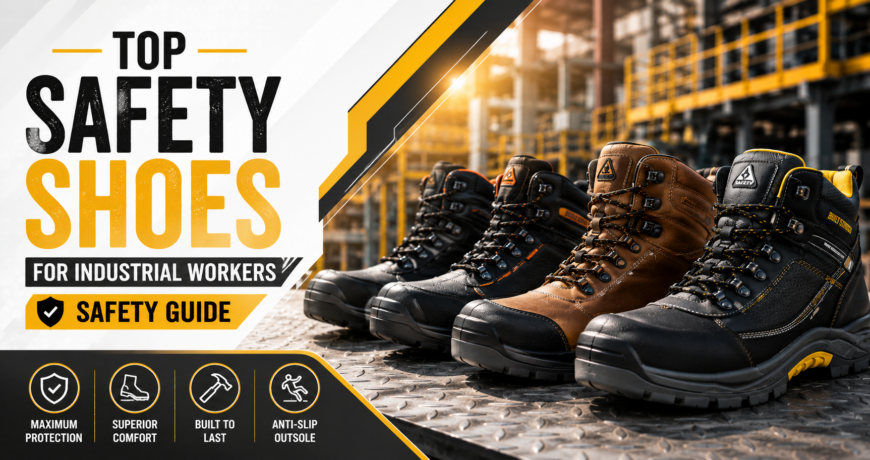
Top Safety Shoes for Industrial Workers | Complete Workplace Safety Guide
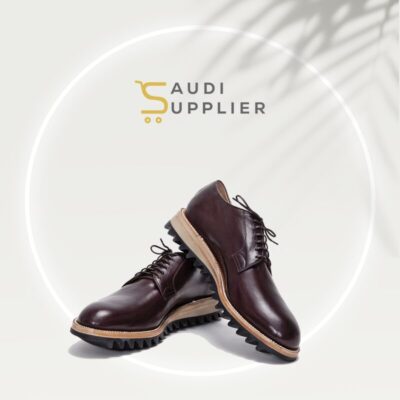
Industrial workplaces present numerous hazards every day, from falling objects and slippery surfaces to electrical risks and heavy machinery operations. Whether in construction sites, manufacturing plants, warehouses, logistics facilities, or oil and gas operations, worker safety begins from the ground up. One of the most important pieces of personal protective equipment (PPE) is safety footwear.
Choosing the right safety shoes is not simply about meeting compliance requirements; it directly impacts worker protection, comfort, productivity, and long-term health. In Saudi Arabia’s rapidly growing industrial and construction sectors, investing in high-quality safety shoes has become a necessity rather than an option.
This guide explores the top safety shoes for industrial workers, their key features, selection criteria, and best practices for maximizing workplace safety.
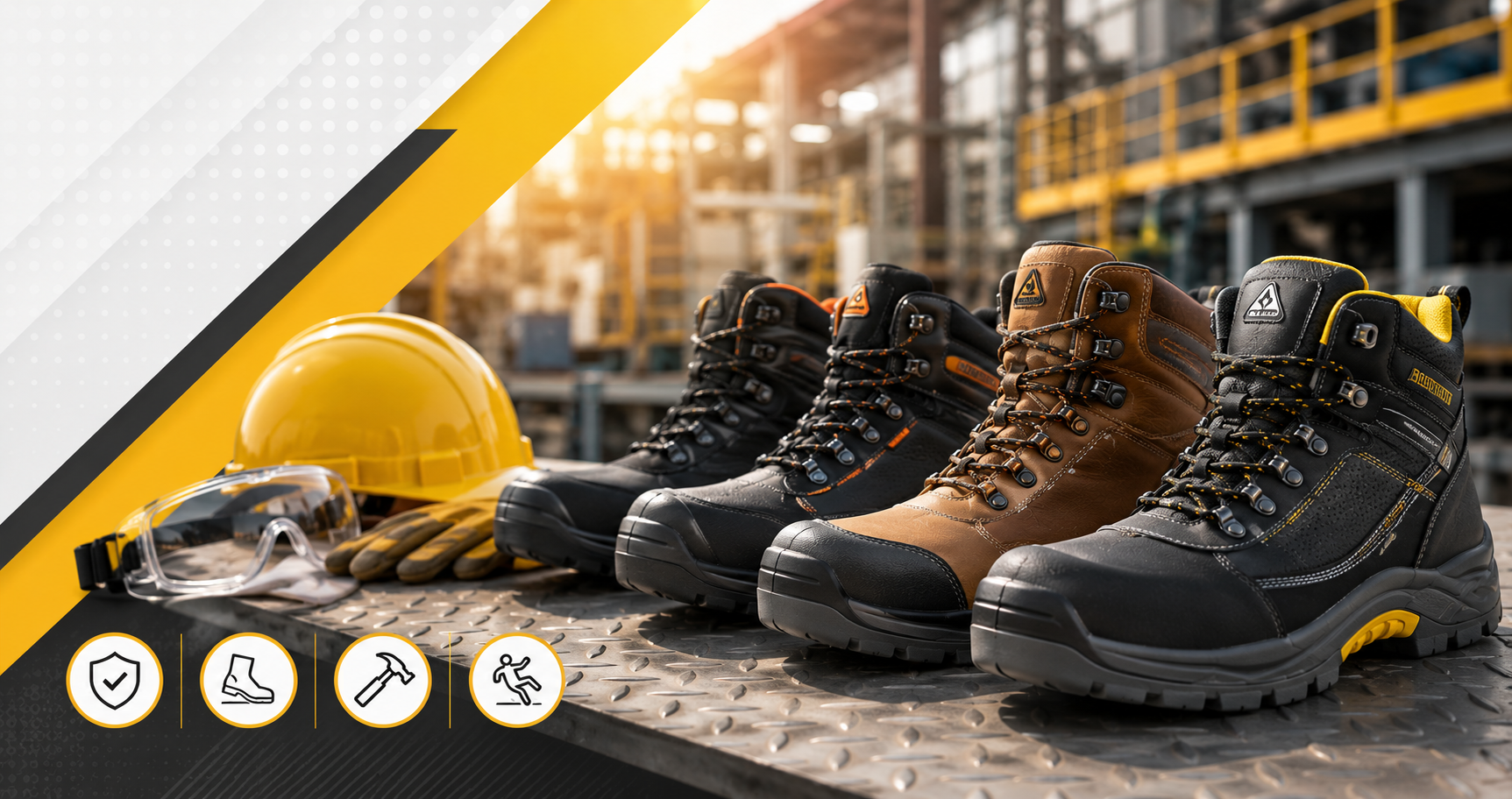
Why Safety Shoes Are Essential in Industrial Environments
Industrial workers face a wide range of occupational hazards daily. Standard footwear does not provide adequate protection against these risks.
Safety shoes help protect workers from:
- Falling tools and materials
- Sharp objects and punctures
- Electrical hazards
- Slips, trips, and falls
- Chemical exposure
- Extreme temperatures
- Heavy equipment accidents
- Crushing injuries
Employers who prioritize proper footwear often experience fewer workplace incidents, reduced downtime, and improved employee confidence and productivity.
For comprehensive workplace protection solutions, businesses can explore safety products available through https://saudisupplier.com/product-category/safety-equipment/ and https://saudisupplier.com/product-category/ppe/.
Understanding Safety Shoe Standards
Before selecting safety footwear, it is important to understand common safety standards used across industrial sectors.
Key Protective Features
Modern industrial safety shoes typically include:
| Feature | Purpose |
|---|---|
| Steel Toe Cap | Protects against impact and compression injuries |
| Composite Toe Cap | Lightweight protection without metal |
| Slip-Resistant Sole | Reduces slip and fall risks |
| Puncture-Resistant Midsole | Prevents penetration from nails and sharp objects |
| Electrical Hazard Protection | Reduces electrical shock risks |
| Oil-Resistant Sole | Improves grip in industrial environments |
| Waterproof Materials | Keeps feet dry in wet conditions |
| Heat Resistance | Suitable for hot work environments |
Selecting the correct combination depends on workplace hazards and job responsibilities.
Top Types of Safety Shoes for Industrial Workers
Different industries require different footwear solutions. Understanding the available options helps businesses make informed purchasing decisions.
Steel Toe Safety Shoes
Steel toe safety shoes remain one of the most widely used options in industrial environments.
Benefits
- Excellent impact protection
- High durability
- Reliable compression resistance
- Ideal for construction and heavy manufacturing
Best For
- Construction workers
- Warehouse personnel
- Manufacturing facilities
- Heavy equipment operators
Steel toe footwear offers maximum protection where heavy objects are frequently handled.
Composite Toe Safety Shoes
Composite toe shoes use non-metallic materials such as fiberglass, carbon fiber, or Kevlar.
Benefits
- Lightweight design
- Metal detector friendly
- Reduced foot fatigue
- Better insulation against temperature extremes
Best For
- Logistics facilities
- Airports
- Electrical contractors
- Long-shift industrial workers
Workers who spend extended hours on their feet often prefer composite toe footwear because of its enhanced comfort.
Slip-Resistant Safety Shoes
Slips and falls are among the most common workplace accidents.
Slip-resistant footwear features specially engineered outsoles designed to improve traction on:
- Wet floors
- Oily surfaces
- Smooth concrete
- Industrial workspaces
Best For
- Warehouses
- Food processing facilities
- Maintenance teams
- Cleaning personnel
Electrical Hazard Safety Shoes
Electrical hazard (EH) shoes provide an additional layer of protection for workers exposed to electrical risks.
Features
- Non-conductive materials
- Shock-resistant construction
- Enhanced insulation
Best For
- Electricians
- Utility workers
- Industrial maintenance personnel
- Power plant workers
These shoes should always be used as part of a broader electrical safety program.
Waterproof Safety Boots
Outdoor industrial environments often expose workers to water, mud, and harsh weather conditions.
Benefits
- Moisture protection
- Improved comfort
- Reduced risk of skin irritation
- Better durability
Best For
- Construction projects
- Infrastructure development
- Utility services
- Outdoor industrial operations
Key Factors to Consider When Choosing Safety Shoes
Selecting the right footwear requires more than simply choosing a popular model.
Hazard Assessment
Begin with a workplace hazard assessment.
Ask:
- Are workers exposed to falling objects?
- Is there a risk of puncture injuries?
- Are electrical hazards present?
- Is the environment wet or oily?
- Do employees work indoors or outdoors?
The answers help determine the required protection level.
Comfort and Ergonomics
Comfort directly impacts productivity.
Look for:
- Cushioned insoles
- Breathable materials
- Arch support
- Shock absorption
- Lightweight construction
Workers who are comfortable throughout their shifts typically experience less fatigue and greater efficiency.
Durability
Industrial footwear represents an investment.
Choose shoes manufactured using:
- Premium leather
- Reinforced stitching
- High-quality rubber soles
- Abrasion-resistant materials
Long-lasting footwear reduces replacement costs over time.
Climate Suitability
Saudi Arabia’s climate presents unique challenges.
Workers operating in high temperatures benefit from:
- Breathable designs
- Moisture-wicking linings
- Lightweight materials
- Heat-resistant soles
Selecting climate-appropriate footwear enhances both safety and comfort.
Industries That Require Safety Shoes
Safety footwear plays a critical role across numerous sectors.
Construction Industry
Construction sites contain hazards such as:
- Falling debris
- Heavy machinery
- Uneven terrain
- Sharp materials
Steel toe and puncture-resistant footwear are often essential.
Companies sourcing materials can also explore https://saudisupplier.com/product-category/construction-materials/ for related project requirements.
Manufacturing Facilities
Manufacturing environments often involve:
- Moving equipment
- Heavy components
- Chemical exposure
- Slippery surfaces
Workers require footwear specifically matched to production risks.
Warehousing and Logistics
Warehouse personnel frequently:
- Lift heavy loads
- Operate forklifts
- Walk long distances
Comfortable composite toe footwear often provides an excellent balance between protection and mobility.
Oil and Gas Operations
Oil and gas facilities demand some of the highest safety standards.
Workers often require:
- Slip resistance
- Chemical resistance
- Waterproof protection
- Impact resistance
Maintenance and Technical Services
Maintenance teams face changing hazards every day.
Versatile safety footwear allows workers to safely perform tasks across multiple environments.
Businesses can also find workplace support equipment through https://saudisupplier.com/product-category/tools/.
Best Practices for Safety Shoe Maintenance
Even the best safety shoes require proper maintenance.
Daily Inspection
Workers should inspect footwear for:
- Sole damage
- Toe cap deformation
- Tears or cracks
- Loose stitching
Damaged footwear should be replaced immediately.
Regular Cleaning
Cleaning helps maintain performance and durability.
Recommended practices include:
- Removing dirt after each shift
- Drying shoes naturally
- Avoiding excessive heat exposure
- Using appropriate cleaning products
Proper Storage
Store safety shoes:
- In dry areas
- Away from direct sunlight
- In well-ventilated spaces
Proper storage extends product lifespan.
Scheduled Replacement
Safety footwear should be replaced when:
- Soles become worn
- Protection components are damaged
- Comfort significantly declines
- Safety certifications are compromised
Benefits of Investing in High-Quality Safety Shoes
Organizations that prioritize quality safety footwear often gain multiple advantages.
Reduced Workplace Injuries
Proper protection significantly lowers injury risks.
Improved Productivity
Comfortable workers can focus better on their tasks.
Enhanced Compliance
Quality footwear helps organizations meet workplace safety regulations and standards.
Lower Long-Term Costs
Although premium footwear may have a higher initial cost, it often delivers greater durability and reduced replacement frequency.
Better Employee Satisfaction
Providing reliable protective equipment demonstrates a commitment to worker wellbeing.
Why Choose Saudi Supplier for Industrial Safety Products
Businesses across Saudi Arabia require dependable access to quality industrial supplies and safety solutions.
Saudi Supplier offers a broad range of industrial products designed to support construction companies, manufacturing facilities, warehouses, contractors, and procurement professionals.
Explore available categories:
- https://saudisupplier.com/
- https://saudisupplier.com/product-category/safety-equipment/
- https://saudisupplier.com/product-category/ppe/
- https://saudisupplier.com/product-category/tools/
- https://saudisupplier.com/product-category/construction-materials/
With a focus on quality, reliability, and workplace safety, Saudi Supplier helps organizations create safer and more productive work environments.
Frequently Asked Questions (FAQs)
1. What are the best safety shoes for industrial workers?
The best safety shoes depend on workplace hazards. Steel toe, composite toe, slip-resistant, waterproof, and electrical hazard safety shoes are among the most popular options.
2. How often should industrial safety shoes be replaced?
Replacement depends on usage and workplace conditions. Workers should replace footwear when soles wear down, protective features become damaged, or comfort significantly decreases.
3. Are composite toe shoes as safe as steel toe shoes?
Yes. Composite toe shoes meet many industrial safety standards while providing a lighter-weight alternative to steel toe footwear.
4. Why are slip-resistant safety shoes important?
Slip-resistant shoes help prevent falls on wet, oily, or smooth industrial surfaces, reducing one of the most common workplace accident risks.
5. Can safety shoes improve worker productivity?
Yes. Comfortable and properly fitted safety footwear reduces fatigue, supports mobility, and helps workers remain productive throughout their shifts.
6. What industries require safety footwear?
Construction, manufacturing, warehousing, logistics, oil and gas, utilities, maintenance, and industrial services commonly require safety footwear.
Contact Saudi Supplier
Phone: +966565118011
Email: info@saudisupplier.com
Website: https://saudisupplier.com/
Social Media
