







































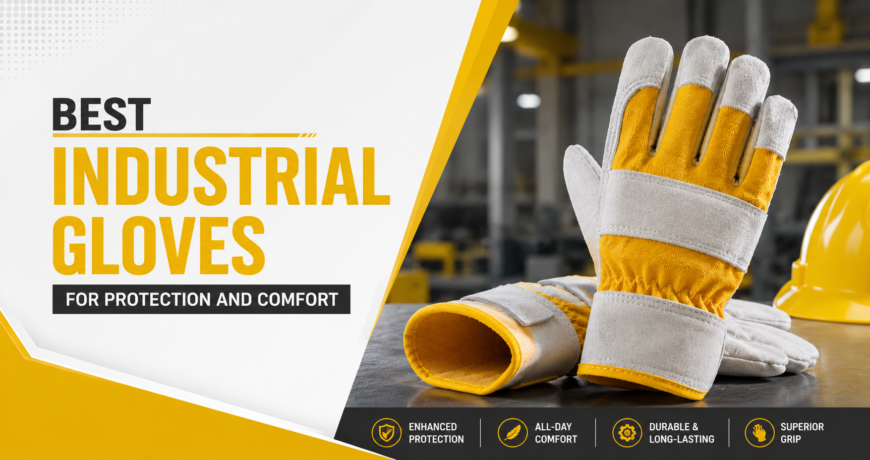
Best Industrial Gloves for Protection and Comfort
Industrial gloves are one of the most important pieces of personal protective equipment (PPE) used across multiple industries. From construction sites and manufacturing plants to oil & gas facilities and warehouses, workers rely on industrial gloves to protect their hands from cuts, abrasions, chemicals, heat, and other workplace hazards.
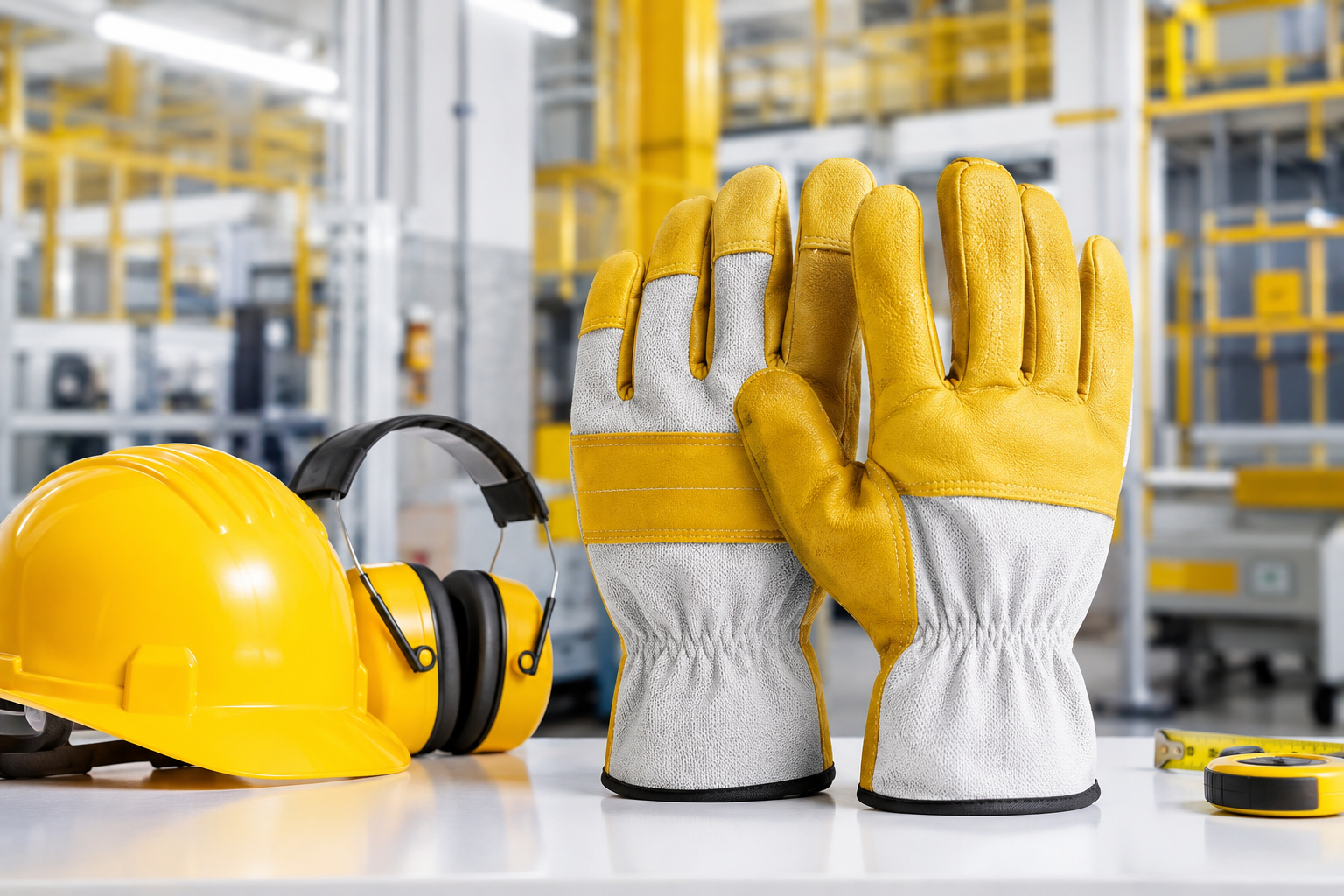
Choosing the right industrial gloves is not just about safety. Comfort, durability, grip, and flexibility also play a major role in improving worker productivity and reducing fatigue during long working hours. Businesses in Saudi Arabia are increasingly focusing on high-quality protective gloves that provide both safety compliance and user comfort.
At Saudi Supplier, industries can find reliable industrial safety products designed to meet workplace requirements while ensuring maximum hand protection.
Why Industrial Gloves Are Important
Hands are among the most frequently injured body parts in industrial environments. Without proper hand protection, workers may face injuries such as:
- Cuts and punctures
- Chemical burns
- Heat exposure
- Abrasions
- Electric shock risks
- Skin irritation
- Oil and grease contamination
Industrial gloves help minimize these risks and create a safer work environment. Proper gloves also improve grip and handling, which reduces accidents caused by slipping tools or materials.
Types of Industrial Gloves
Different industries require different types of gloves depending on the nature of work. Understanding glove categories helps businesses choose the most effective protection.
1. Cut-Resistant Gloves
Cut-resistant gloves are designed for workers handling sharp tools, metal sheets, glass, or machinery parts. These gloves are commonly used in:
- Construction
- Metal fabrication
- Automotive industries
- Warehouses
They are typically made using materials like Kevlar, HPPE, or steel fiber blends for enhanced resistance against cuts and tears.
2. Chemical-Resistant Gloves
Chemical-resistant gloves protect workers from hazardous substances such as acids, solvents, oils, and industrial chemicals.
Industries that commonly use chemical-resistant gloves include:
- Oil and gas
- Chemical manufacturing
- Laboratories
- Cleaning services
Materials used may include nitrile, neoprene, PVC, or latex depending on the chemical exposure level.
3. Heat-Resistant Gloves
Workers exposed to high temperatures require heat-resistant gloves to prevent burns and injuries.
These gloves are essential for:
- Welding operations
- Foundries
- Glass manufacturing
- Industrial kitchens
Heat-resistant gloves are designed with insulated layers and flame-resistant materials.
4. Disposable Gloves
Disposable gloves are commonly used for hygiene-sensitive tasks and light industrial applications.
Popular industries include:
- Healthcare
- Food processing
- Cleaning
- Laboratories
Nitrile disposable gloves are preferred because they offer better puncture resistance and chemical protection compared to standard latex gloves.
5. Mechanical Protection Gloves
Mechanical gloves are designed for handling heavy equipment, tools, and machinery. They provide excellent grip, impact resistance, and durability.
These gloves are widely used in:
- Construction
- Logistics
- Maintenance work
- Heavy industries
Features to Consider When Buying Industrial Gloves
Selecting the right industrial gloves requires evaluating multiple factors beyond basic protection.
Material Quality
The glove material determines durability, flexibility, and resistance level. Common materials include:
- Nitrile
- Latex
- Leather
- PVC
- Kevlar
- Neoprene
Each material offers different advantages depending on workplace hazards.
Comfort and Fit
Poorly fitted gloves can reduce worker efficiency and increase accident risks. Comfortable gloves allow workers to perform tasks without discomfort during extended shifts.
Look for gloves with:
- Breathable fabric
- Flexible grip
- Ergonomic design
- Adjustable wrist support
Grip Performance
Workers handling oily or slippery materials need gloves with textured surfaces for improved grip and control.
Enhanced grip helps reduce:
- Dropped tools
- Handling errors
- Workplace injuries
Durability
Industrial environments can quickly wear out low-quality gloves. Investing in durable gloves helps reduce replacement costs and improve long-term safety.
Safety Standards
Always choose gloves that comply with international safety standards such as:
- EN 388 for mechanical risks
- EN 374 for chemical protection
- ANSI safety standards
Certified gloves provide verified protection levels for industrial use.
Best Industries That Need Industrial Gloves
Industrial gloves are essential across multiple sectors in Saudi Arabia.
Construction Industry
Construction workers face hazards such as sharp objects, heavy materials, and rough surfaces. Durable safety gloves help protect workers while improving grip and comfort.
Oil and Gas Industry
Workers in oil and gas operations require gloves resistant to chemicals, oils, heat, and harsh environmental conditions.
Manufacturing Sector
Manufacturing plants use gloves to prevent injuries caused by machinery, metal parts, and repetitive handling tasks.
Warehousing and Logistics
Warehouse workers rely on industrial gloves for handling packages, lifting materials, and operating equipment safely.
Automotive Industry
Mechanics and technicians use gloves to protect against grease, cuts, and chemical exposure while maintaining dexterity.
Benefits of Comfortable Industrial Gloves
Many businesses focus only on protection and overlook comfort. However, comfortable gloves offer several productivity benefits.
Reduced Worker Fatigue
Lightweight and breathable gloves reduce hand strain during long work shifts.
Improved Productivity
Workers perform tasks more efficiently when gloves allow flexibility and easy movement.
Better Safety Compliance
Employees are more likely to wear gloves consistently when they feel comfortable.
Enhanced Grip and Precision
Comfortable gloves improve hand control, especially during detailed mechanical work.
How to Maintain Industrial Gloves
Proper maintenance extends glove lifespan and maintains safety performance.
Cleaning
Reusable gloves should be cleaned according to manufacturer instructions to remove chemicals, oils, and dirt.
Inspection
Inspect gloves regularly for:
- Tears
- Holes
- Worn-out surfaces
- Chemical damage
Damaged gloves should be replaced immediately.
Proper Storage
Store gloves in a dry and clean environment away from direct sunlight and chemicals.
Choosing the Right Supplier for Industrial Gloves
Reliable suppliers ensure consistent product quality, safety compliance, and product availability.
When selecting an industrial safety supplier, consider:
- Product certifications
- Industry experience
- Product range
- Customer support
- Delivery reliability
Saudi Supplier provides industrial safety products and PPE solutions suitable for multiple industries across Saudi Arabia.
Why Quality PPE Matters in Saudi Arabia
Saudi Arabia’s industrial sector continues to grow rapidly with expansion in construction, oil & gas, logistics, and manufacturing projects. Workplace safety regulations are becoming increasingly important, making high-quality PPE products essential for businesses.
Industrial gloves play a key role in:
- Preventing workplace injuries
- Improving worker efficiency
- Supporting safety compliance
- Reducing operational downtime
Companies investing in reliable protective equipment build safer and more productive workplaces.
FAQ
What are the best industrial gloves for construction workers?
Cut-resistant and mechanical protection gloves are ideal for construction workers because they provide grip, durability, and protection from sharp objects.
Which gloves are best for chemical handling?
Chemical-resistant gloves made from nitrile, neoprene, or PVC are commonly used for handling industrial chemicals safely.
How do I choose the right industrial gloves?
Choose gloves based on workplace hazards, required protection level, comfort, material quality, and safety certifications.
Are nitrile gloves better than latex gloves?
Nitrile gloves offer better chemical resistance and puncture protection, making them a preferred choice for many industrial applications.
Why is glove comfort important?
Comfortable gloves reduce hand fatigue, improve productivity, and encourage workers to follow safety protocols consistently.
How often should industrial gloves be replaced?
Replacement depends on usage, exposure, and glove condition. Gloves with visible damage or reduced protection should be replaced immediately.
Contact Information
Website:
Saudi Supplier
Phone Number:
Call +966565118011
Email Address:
info@saudisupplier.com
