

































How to Choose the Right Industrial Fasteners
Industrial fasteners are among the most essential components in construction, manufacturing, infrastructure, and maintenance projects. Although they may appear small, the right fasteners play a critical role in ensuring structural integrity, equipment reliability, and workplace safety. Selecting the wrong fastener can lead to loose connections, equipment failure, costly repairs, and even serious accidents.
Whether you are working on steel structures, machinery installation, pipelines, warehouses, manufacturing facilities, or commercial buildings, choosing the appropriate industrial fasteners is vital for long-term performance.
This comprehensive guide explains the different types of industrial fasteners, important selection criteria, material options, and best practices to help contractors, procurement professionals, engineers, and industrial businesses in Saudi Arabia make informed purchasing decisions.
 Why Industrial Fasteners Matter
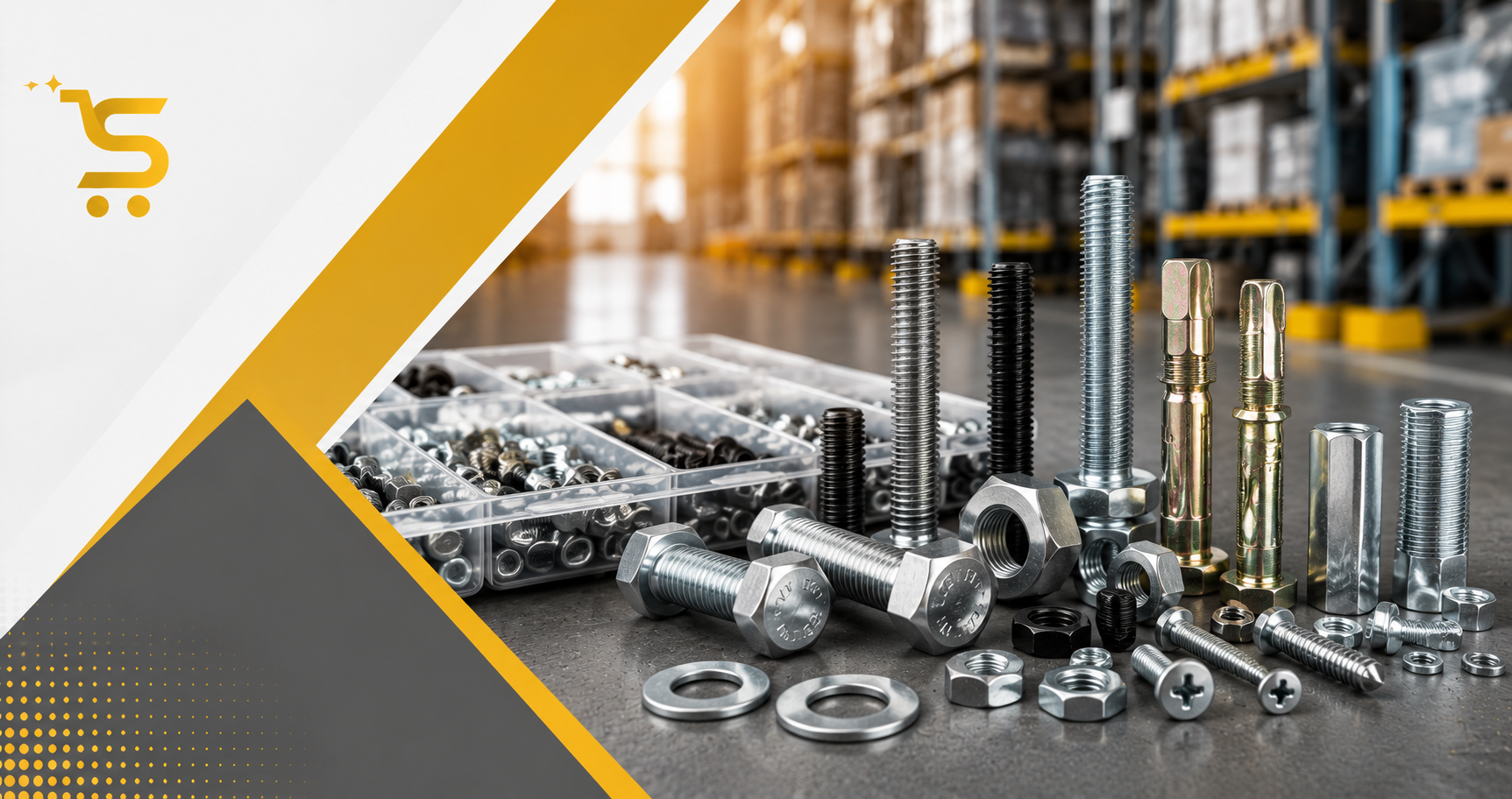
Industrial fasteners permanently or temporarily join two or more components together. They are used across virtually every industry, including construction, oil and gas, manufacturing, logistics, electrical installations, automotive, and infrastructure projects.
Quality fasteners provide:
- Strong and secure connections
- Improved structural stability
- Enhanced workplace safety
- Greater equipment reliability
- Reduced maintenance costs
- Longer service life
- Better resistance to vibration and environmental conditions
Choosing high-quality fasteners helps businesses reduce operational risks and improve project quality.
Businesses can source industrial products through:
- https://saudisupplier.com/
- https://saudisupplier.com/product-category/tools/
- https://saudisupplier.com/product-category/construction-materials/
Common Types of Industrial Fasteners
Different applications require different fastening solutions.
Bolts
Bolts are one of the most widely used industrial fasteners.
Common applications include:
- Structural steel
- Heavy machinery
- Bridges
- Industrial equipment
- Construction projects
Bolts are usually paired with nuts and washers to create strong mechanical joints.
Nuts
Nuts work together with bolts to securely clamp components together.
Popular types include:
- Hex nuts
- Lock nuts
- Flange nuts
- Wing nuts
- Nylon insert lock nuts
Each type serves a specific purpose depending on the application.
Screws
Screws create secure joints without always requiring a nut.
Common varieties include:
- Self-tapping screws
- Machine screws
- Wood screws
- Sheet metal screws
- Concrete screws
They are widely used in construction, manufacturing, and equipment assembly.
Washers
Washers distribute loads evenly and help prevent damage to surfaces.
They also:
- Reduce vibration
- Prevent loosening
- Protect materials
- Improve fastening strength
Rivets
Rivets create permanent joints that cannot easily loosen due to vibration.
They are commonly used in:
- Steel fabrication
- Sheet metal work
- Aerospace
- Industrial manufacturing
Anchors
Anchors secure components to concrete, brick, or masonry surfaces.
Typical applications include:
- Equipment installation
- Structural supports
- Safety barriers
- Pipe supports
Choosing the Right Fastener Material
Material selection greatly affects performance and durability.
Stainless Steel
Stainless steel fasteners offer:
- Excellent corrosion resistance
- Long service life
- Attractive appearance
- High durability
Ideal for outdoor and humid environments.
Carbon Steel
Carbon steel fasteners provide:
- High strength
- Cost-effectiveness
- Wide availability
Protective coatings are often applied to improve corrosion resistance.
Alloy Steel
Alloy steel fasteners are designed for heavy-duty industrial applications requiring high strength.
Common uses include:
- Heavy machinery
- Structural steel
- Industrial equipment
Brass
Brass fasteners offer:
- Corrosion resistance
- Electrical conductivity
- Decorative appearance
Often used in electrical and plumbing applications.
Understanding Fastener Grades
Fastener grades indicate strength and mechanical performance.
Higher-grade fasteners generally provide:
- Greater tensile strength
- Better load capacity
- Improved durability
- Enhanced reliability
Always select the grade specified by engineering drawings or project requirements.
Consider the Working Environment
Environmental conditions influence fastener performance.
Factors include:
- High temperatures
- Moisture
- Coastal environments
- Chemicals
- Vibration
- Heavy loads
For example, stainless steel fasteners perform well in humid or corrosive environments, while high-strength alloy steel fasteners are better suited for heavy industrial applications.
Match the Fastener to the Application
Different industries require different fastening solutions.
Construction
Common fasteners include:
- Anchor bolts
- Structural bolts
- Concrete screws
- Expansion anchors
Manufacturing
Manufacturing facilities frequently use:
- Machine screws
- Hex bolts
- Lock nuts
- Washers
Mechanical Equipment
Equipment assembly often requires:
- High-strength bolts
- Lock washers
- Thread-locking fasteners
Electrical Installations
Electrical systems commonly use corrosion-resistant screws and specialized mounting hardware.
Selecting application-specific fasteners improves both safety and reliability.
Importance of Corrosion Resistance
Saudi Arabia’s climate often exposes equipment to:
- High temperatures
- Humidity
- Coastal salt air
- Dust
Corrosion-resistant fasteners help:
- Extend equipment lifespan
- Reduce maintenance
- Improve structural integrity
- Prevent premature failure
Choosing the appropriate coating or material significantly improves long-term performance.
Comparing Common Fastener Materials
| Material | Strength | Corrosion Resistance | Best Applications |
|---|---|---|---|
| Stainless Steel | High | Excellent | Outdoor, marine, food processing |
| Carbon Steel | High | Moderate | General construction |
| Alloy Steel | Very High | Moderate | Heavy machinery |
| Brass | Moderate | Good | Plumbing, electrical |
Selecting the right material depends on the operating environment and project requirements.
Best Practices for Selecting Industrial Fasteners
Before purchasing fasteners, consider the following:
Evaluate Load Requirements
Determine:
- Static loads
- Dynamic loads
- Shear forces
- Tensile loads
Fasteners should safely support anticipated operating conditions.
Verify Compatibility
Ensure fasteners are compatible with:
- Base materials
- Environmental conditions
- Equipment specifications
Using incompatible materials may increase corrosion or reduce joint strength.
Purchase from Reliable Suppliers
Reliable suppliers provide:
- Consistent product quality
- Technical support
- Certified products
- Better inventory availability
This helps reduce procurement risks and improve project performance.
Proper Installation Matters
Even premium fasteners can fail if installed incorrectly.
Best practices include:
- Use the correct torque specifications
- Avoid overtightening
- Replace damaged fasteners
- Use appropriate tools
- Inspect connections regularly
Proper installation improves safety and extends equipment life.
Common Mistakes to Avoid
Many fastener failures result from avoidable errors.
Avoid:
- Choosing fasteners based only on price
- Using incorrect fastener sizes
- Ignoring corrosion resistance
- Mixing incompatible metals
- Reusing damaged fasteners
- Skipping regular inspections
Proper selection and maintenance significantly reduce failure risks.
Supporting Workplace Safety
Industrial fasteners should always be used alongside proper workplace safety practices.
Essential PPE includes:
- Safety gloves
- Protective eyewear
- Safety footwear
- Hard hats
- High-visibility clothing
Businesses can source workplace safety products through:
- https://saudisupplier.com/product-category/ppe/
- https://saudisupplier.com/product-category/safety-equipment/
Combining quality fasteners with safe work practices creates a safer and more efficient workplace.
Why Choose Saudi Supplier
Saudi Supplier provides businesses across Saudi Arabia with reliable industrial products, construction materials, professional tools, and workplace safety equipment.
Available product categories include:
- https://saudisupplier.com/
- https://saudisupplier.com/product-category/construction-materials/
- https://saudisupplier.com/product-category/tools/
- https://saudisupplier.com/product-category/safety-equipment/
- https://saudisupplier.com/product-category/ppe/
Whether your project involves construction, manufacturing, maintenance, warehousing, or industrial operations, Saudi Supplier helps businesses source dependable products that support productivity, safety, and long-term performance.
Frequently Asked Questions (FAQs)
1. What are industrial fasteners?
Industrial fasteners are hardware components such as bolts, nuts, screws, washers, rivets, and anchors used to securely join materials in construction, manufacturing, and industrial applications.
2. How do I choose the right industrial fastener?
Consider the application, load requirements, material, environmental conditions, corrosion resistance, size, and strength grade before selecting a fastener.
3. Which fastener material is best for outdoor environments?
Stainless steel fasteners are commonly recommended for outdoor applications because they offer excellent corrosion resistance and long service life.
4. Why is fastener grade important?
The grade indicates the fastener’s strength and mechanical properties, helping ensure it can safely handle the required loads.
5. Can incorrect fasteners cause equipment failure?
Yes. Using the wrong fastener can result in loose connections, structural weakness, premature wear, equipment damage, and safety hazards.
6. Why should businesses buy fasteners from trusted suppliers?
Trusted suppliers provide consistent quality, certified products, reliable inventory, and technical support, helping businesses improve project quality and reduce procurement risks.
Contact Saudi Supplier
Phone: +966565118011
Email: info@saudisupplier.com
Website: https://saudisupplier.com/
