




























Industrial Cleaning Equipment You Should Consider
Industrial cleaning is an essential part of maintaining safe, efficient, and professional workplaces. In factories, warehouses, workshops, construction sites, commercial facilities, and maintenance areas, accumulated dust, grease, oil, debris, and other contaminants can affect equipment performance, create slip hazards, reduce productivity, and shorten the life of valuable assets.
For this reason, businesses should treat industrial cleaning as part of their overall maintenance and workplace safety strategy rather than as an occasional housekeeping task.
The right cleaning equipment can make routine work faster, more consistent, and less labor-intensive. However, not every machine is suitable for every environment. A warehouse floor, manufacturing line, workshop, construction site, and food-processing facility can have very different cleaning requirements.
This guide explores the main types of industrial cleaning equipment businesses should consider, how to select the right solutions, and practical ways to improve cleaning efficiency in industrial and commercial environments across Saudi Arabia.
Why Industrial Cleaning Equipment Matters
Industrial environments can generate large quantities of dust, dirt, metal particles, packaging waste, oil, grease, and other contaminants. Manual cleaning alone may not be sufficient for large or demanding facilities.
Professional cleaning equipment can help businesses:
- Improve workplace cleanliness
- Reduce cleaning time
- Support workplace safety
- Remove difficult contaminants
- Maintain floors and equipment
- Reduce manual labor
- Improve facility appearance
- Support preventive maintenance
- Increase cleaning consistency
For example, regularly removing dust and debris from a warehouse floor can help reduce slip and trip hazards while making the facility easier to inspect and maintain.
Businesses can explore a range of industrial products and workplace equipment through Saudi Supplier.
Types of Industrial Cleaning Equipment to Consider
Different cleaning challenges require different equipment. Before purchasing, businesses should assess the type of contamination, floor area, available utilities, cleaning frequency, and operating environment.
1. Industrial Vacuum Cleaners
Industrial vacuum cleaners are designed to collect dust, debris, and other materials from floors, machinery, work areas, and production environments.
They can be particularly useful for:
- Manufacturing facilities
- Workshops
- Warehouses
- Construction sites
- Maintenance areas
- Mechanical workshops
Depending on the model, industrial vacuums may be designed for dry materials, liquids, or specific hazardous substances.
When choosing an industrial vacuum, consider:
- Suction performance
- Tank capacity
- Filtration system
- Hose and accessory options
- Operating environment
- Dust type
- Continuous-use requirements
For fine dust, an appropriate filtration system is particularly important. Businesses should select equipment according to the manufacturer’s specifications and the type of material being collected.
2. Pressure Washers
Pressure washers use pressurized water to remove dirt and contaminants from suitable surfaces.
They are commonly used for:
- Outdoor equipment
- Concrete surfaces
- Vehicle areas
- Construction equipment
- Loading zones
- Industrial floors
- Building exteriors
Pressure washers can significantly reduce the effort required to remove stubborn dirt.
However, high-pressure water is not appropriate for every surface or piece of machinery. Sensitive electrical components, seals, painted surfaces, and delicate equipment may require alternative cleaning methods.
Operators should also consider water management and drainage, particularly in industrial facilities.
3. Floor Scrubbers
Floor scrubbers combine cleaning solution, mechanical brushing, and water recovery to clean larger floor areas efficiently.
They are useful in:
- Warehouses
- Factories
- Distribution centers
- Commercial buildings
- Workshops
- Large industrial facilities
Walk-behind scrubbers can be suitable for smaller areas, while ride-on machines can improve productivity across large facilities.
When selecting a floor scrubber, consider:
- Cleaning width
- Tank capacity
- Battery or power configuration
- Floor type
- Recovery system
- Maneuverability
- Availability of replacement parts
A machine that is too small may increase cleaning time, while an oversized machine may be difficult to operate in narrow spaces.
4. Sweepers
Industrial sweepers are designed to collect dust, dirt, leaves, packaging debris, and other loose materials.
They are especially useful for:
- Warehouses
- Parking areas
- Distribution facilities
- Construction sites
- Factory floors
- Outdoor industrial areas
Sweepers can reduce the amount of manual sweeping required and help maintain large spaces more consistently.
Before purchasing, businesses should evaluate whether the machine is intended for indoor or outdoor use and whether its filtration system is appropriate for the type of dust generated.
5. Steam Cleaners
Steam cleaning equipment uses heated water vapor to clean suitable surfaces.
It can be useful for removing:
- Grease
- Dirt
- Residue
- Certain stains
- Contaminants from suitable hard surfaces
Steam can be valuable in maintenance environments where minimizing chemical use is desirable.
Nevertheless, steam should not be applied to equipment or materials unless the manufacturer confirms that the surface can tolerate the heat and moisture.
6. Wet and Dry Vacuum Cleaners
Wet-and-dry vacuums provide greater flexibility because they can collect both dry debris and suitable liquid spills.
They are useful in workshops and maintenance areas where workers may encounter:
- Dust
- Sawdust
- Metal debris
- Water
- Certain non-hazardous liquids
The machine must be specifically rated for the substance being collected. Businesses should never assume that a general-purpose wet-and-dry vacuum is appropriate for combustible, hazardous, or chemically reactive materials.
7. Industrial Cleaning Carts and Trolleys
Not every cleaning solution needs to be powered.
Cleaning carts and trolleys can help organize:
- Cleaning chemicals
- Brushes
- Mops
- Waste bags
- Cloths
- Personal protective equipment
- Other cleaning accessories
They are particularly useful for large facilities where cleaning teams need to move supplies between multiple areas.
An organized cleaning cart can also reduce unnecessary trips and help employees follow a consistent cleaning routine.
Choosing Cleaning Equipment Based on the Facility
The right equipment depends heavily on the type of facility.
| Facility | Useful Equipment |
|---|---|
| Warehouse | Industrial vacuum, sweeper, floor scrubber |
| Manufacturing plant | Industrial vacuum, scrubber, pressure washer |
| Construction site | Heavy-duty vacuum, pressure washer, sweeper |
| Workshop | Wet/dry vacuum, pressure washer, steam cleaner |
| Distribution center | Sweepers, floor scrubbers, industrial vacuums |
| Commercial facility | Floor scrubbers, vacuums, cleaning carts |
| Outdoor industrial area | Sweepers, pressure washers |
This is general guidance. The final equipment selection should be based on the facility’s actual cleaning conditions, materials, hazards, and manufacturer requirements.
How to Choose the Right Industrial Cleaning Equipment
1. Identify the Type of Contamination
Start by asking what needs to be removed.
Is the problem mainly:
- Dust?
- Fine particles?
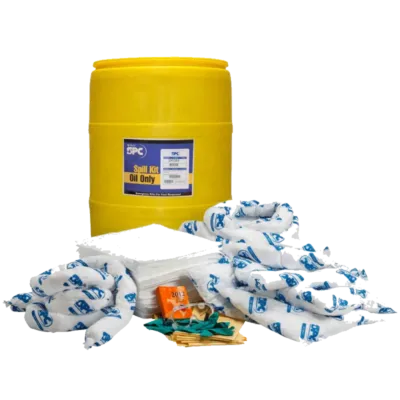
- Oil?
- Grease?
- Mud?
- Liquid spills?
- Packaging waste?
- Metal debris?
- General dirt?
The answer will help determine whether you need suction, brushing, water pressure, steam, mechanical scrubbing, or another cleaning method.
2. Measure the Cleaning Area
Facility size matters.
A compact workshop may only require portable equipment. A large warehouse or factory may benefit from ride-on cleaning machines or industrial sweepers.
Consider:
- Total floor area
- Cleaning frequency
- Number of operators
- Aisle width
- Obstacles
- Door dimensions
- Storage requirements
3. Consider the Floor and Surface Type
Concrete, epoxy flooring, tiles, asphalt, metal, and other surfaces can require different cleaning approaches.
For example, aggressive cleaning methods may damage delicate finishes, while a weak cleaning method may be ineffective against embedded contaminants.
Always check whether the equipment and cleaning method are suitable for the surface.
4. Consider Power and Water Availability
Before purchasing powered equipment, determine whether the facility has suitable electrical connections, charging facilities, or water supplies.
Battery-powered machines can provide greater mobility, while corded equipment may be appropriate in areas with convenient electrical access.
For pressure washers, water availability, drainage, and wastewater management should also be considered.
Industrial Cleaning Safety
Cleaning equipment can introduce its own workplace hazards. Employees should be trained to use machines according to manufacturer instructions and applicable workplace procedures.
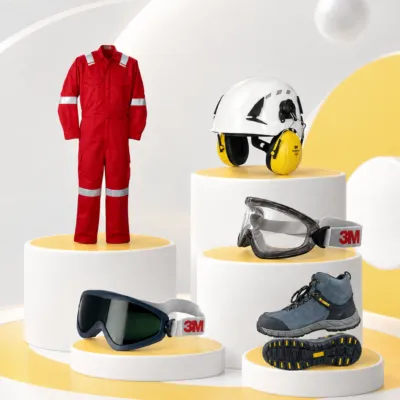
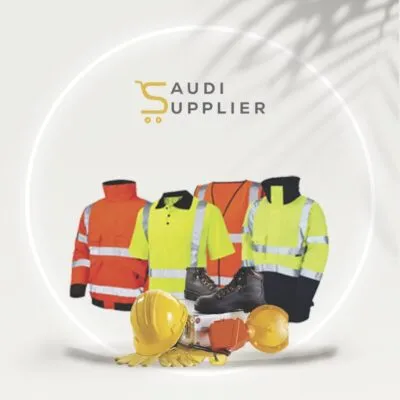
Use Appropriate PPE
Depending on the cleaning operation, workers may need:
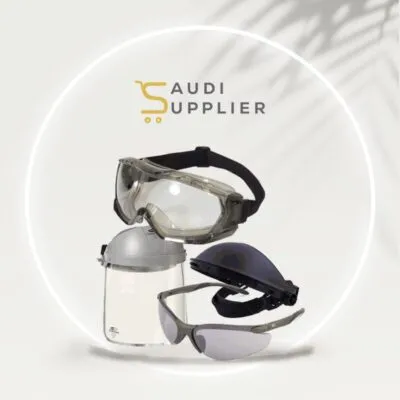
- Safety glasses
- Face protection
- Protective gloves
- Safety footwear
- Hearing protection
- Protective clothing
- Suitable respiratory protection
Businesses can explore workplace protection products through Saudi Supplier Safety Equipment and Saudi Supplier PPE.
Control Water and Electrical Hazards
Water and electricity require careful management.
Operators should:
- Inspect electrical cables and connections.
- Keep electrical equipment away from unintended water exposure.
- Follow equipment instructions.
- Use appropriate electrical protection.
- Prevent standing water from creating additional hazards.
Handle Cleaning Chemicals Correctly
Cleaning chemicals should be stored, labeled, handled, and used according to their safety information and manufacturer instructions.
Never mix cleaning chemicals unless the manufacturer specifically confirms that they are compatible.
Maintenance of Industrial Cleaning Equipment
Cleaning equipment itself requires maintenance.
Regular maintenance can help prevent unexpected downtime and extend equipment life.
A basic maintenance program may include:
- Inspect equipment before use.
- Clean filters and collection containers as required.
- Empty tanks appropriately.
- Check hoses and connections.
- Inspect brushes and squeegees.
- Check batteries where applicable.
- Inspect power cables.
- Follow scheduled servicing requirements.
- Replace worn components.
- Record significant maintenance activities.
For businesses operating multiple machines, maintaining service records can help identify recurring problems and plan replacement parts more effectively.
Common Mistakes Businesses Should Avoid
Buying Equipment Based Only on Price
The cheapest machine may have a higher total operating cost if it requires frequent repairs, consumes more resources, or delivers poor productivity.
Choosing Equipment That Is Too Small
A small machine may appear economical but can significantly increase cleaning time in a large facility.
Ignoring Replacement Parts
Before purchasing, check whether filters, brushes, hoses, batteries, and other consumables are readily available.
Using the Wrong Cleaning Method
High-pressure water, aggressive chemicals, or excessive mechanical action can damage certain surfaces or equipment.
Failing to Train Operators
Even sophisticated cleaning equipment cannot perform safely and effectively without trained operators.
Improving Cleaning Efficiency in Large Facilities
Businesses can improve results by creating a structured cleaning plan.
Divide the Facility Into Zones
Create cleaning zones based on:
- Production areas
- Storage areas
- Walkways
- Loading areas
- Offices
- Maintenance areas
- Outdoor spaces
Each zone can have its own cleaning frequency and equipment requirements.
Establish Cleaning Frequencies
Not every area needs the same cleaning schedule.
For example:
- High-traffic areas: frequent cleaning
- Production areas: based on operational requirements
- Storage areas: scheduled cleaning
- Low-traffic areas: periodic cleaning
- Outdoor areas: according to environmental conditions
A documented schedule makes responsibilities clearer and helps prevent neglected areas.
Track Equipment Performance
For larger operations, businesses can monitor:
- Cleaning time
- Equipment downtime
- Consumable usage
- Maintenance costs
- Operator feedback
- Cleaning quality
This information can help procurement teams determine whether existing equipment is delivering acceptable value.
Industrial Cleaning in Saudi Arabia
Industrial facilities in Saudi Arabia operate across diverse sectors, including construction, manufacturing, logistics, warehousing, energy, retail, and infrastructure.
Dust and high temperatures can make facility maintenance particularly demanding. Outdoor areas may also accumulate sand and debris more quickly, making appropriate sweeping and vacuuming solutions valuable for certain operations.
However, equipment selection should always be based on the actual environment rather than assuming that one cleaning machine is suitable for every Saudi facility.
Businesses should also consider water usage, equipment durability, service support, spare parts availability, and storage conditions when purchasing industrial cleaning equipment.
Building a Practical Industrial Cleaning Equipment Checklist
Before purchasing, procurement teams can use the following checklist:
- Identify the contaminants to be removed.
- Measure the cleaning area.
- Identify floor and surface types.
- Determine cleaning frequency.
- Select the appropriate cleaning method.
- Check machine capacity and performance.
- Confirm power requirements.
- Consider water requirements.
- Review safety features.
- Check spare parts availability.
- Consider maintenance requirements.
- Train operators before use.
- Compare total operating cost rather than purchase price alone.
Businesses looking for additional industrial products can also visit Saudi Supplier.
Conclusion
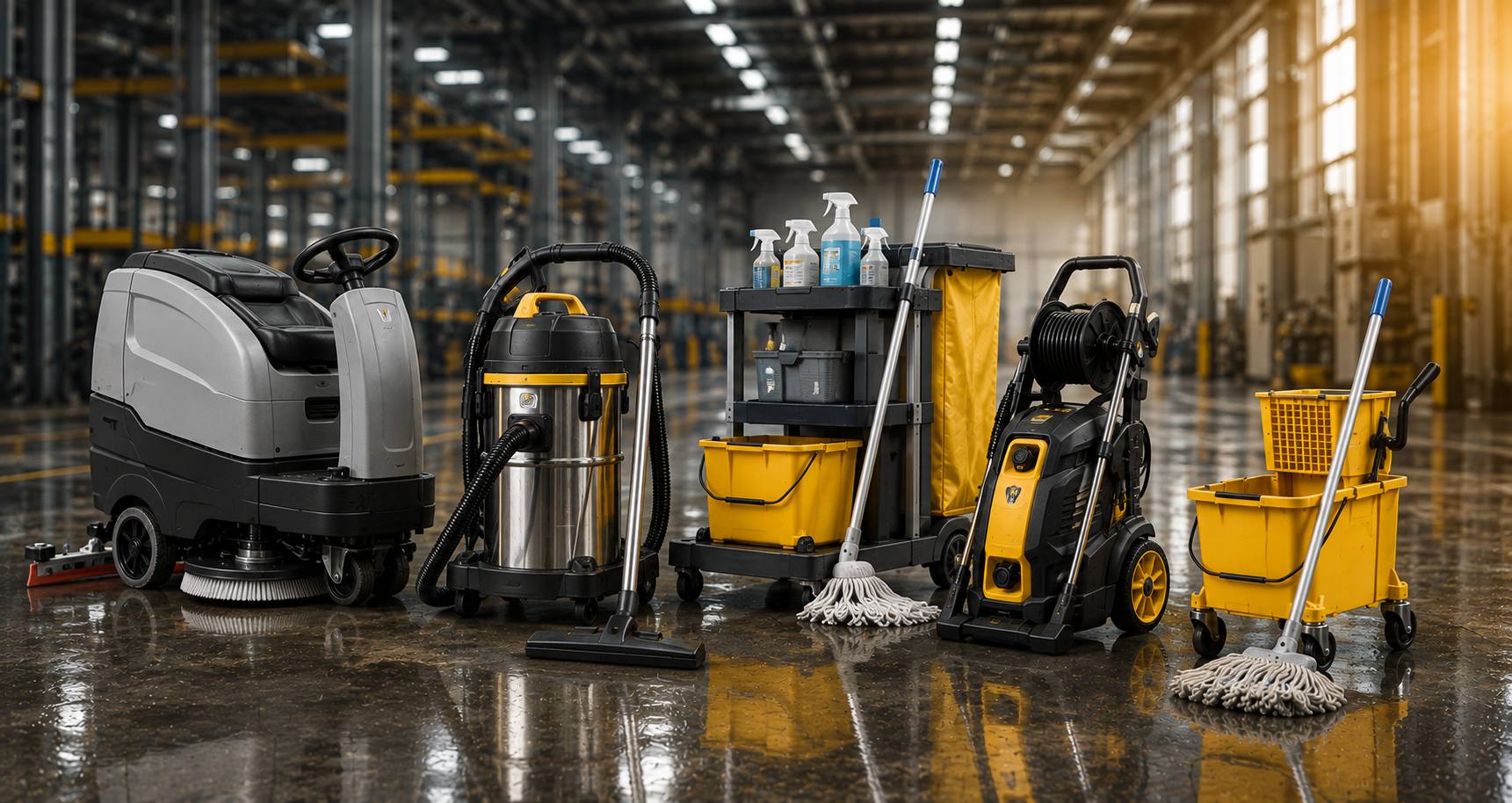
Choosing the right industrial cleaning equipment can improve workplace cleanliness, productivity, maintenance, and operational efficiency. Industrial vacuums, pressure washers, floor scrubbers, sweepers, steam cleaners, wet-and-dry vacuums, and cleaning carts each have their own applications and advantages.
The best choice depends on the facility, contaminants, surface type, cleaning frequency, available utilities, safety requirements, and operating conditions.
For businesses in Saudi Arabia, a practical equipment strategy should focus on durability, suitability, serviceability, operator safety, and total cost of ownership. By combining appropriate equipment with trained personnel, regular maintenance, and a structured cleaning schedule, companies can maintain cleaner and more efficient industrial environments.
Frequently Asked Questions
1. What is the best industrial cleaning equipment for warehouses?
Industrial sweepers, floor scrubbers, and industrial vacuum cleaners are commonly useful in warehouses. The right combination depends on the floor size, type of debris, aisle layout, and cleaning frequency.
2. Which industrial vacuum is best for factories?
The appropriate industrial vacuum depends on the material being collected. Businesses should consider suction performance, filtration, capacity, continuous-use requirements, and whether the machine is designed for dry, wet, or specialized materials.
3. Are pressure washers suitable for industrial cleaning?
Pressure washers can be highly effective for suitable outdoor surfaces, equipment, concrete, and heavily soiled areas. However, they should not be used on sensitive machinery or electrical components unless the equipment manufacturer confirms that the cleaning method is appropriate.
4. How do I choose an industrial floor scrubber?
Consider the floor area, surface type, cleaning width, tank capacity, power source, maneuverability, recovery system, maintenance requirements, and availability of replacement parts.
5. What PPE is required for industrial cleaning?
PPE depends on the cleaning task and hazards involved. Depending on the work, employees may require gloves, safety glasses, face protection, safety footwear, hearing protection, protective clothing, and suitable respiratory protection.
6. How often should industrial cleaning equipment be maintained?
Maintenance frequency depends on the equipment, operating hours, environment, and manufacturer recommendations. Operators should perform routine inspections before use and follow the manufacturer’s scheduled maintenance requirements.
7. Why is industrial cleaning important for workplace safety?
Regular cleaning can help control dust, debris, spills, and other conditions that may contribute to slips, trips, equipment problems, or poor working conditions. Cleaning should form part of a broader workplace safety and maintenance program.
Contact Saudi Supplier
Phone: +966565118011
Email: info@saudisupplier.com
Website: Saudi Supplier
Social Media
